Navigating Canada's EV Import Policy: How Tesla's Chinese-Made Model 3 Reshapes the North American Market
Overview
In a strategic move that leverages recent regulatory shifts, Tesla has begun selling its China-manufactured Model 3 in Canada at a price significantly below local expectations. This aggressive pricing—around CAD 45,000 (approximately USD 33,000) after incentives—stems from a 2024 update to Canada’s tariff exemption for Chinese-built electric vehicles (EVs). Previously subject to steep duties, these imports now benefit from a temporary waiver designed to accelerate EV adoption and reduce costs for Canadian consumers. For U.S. buyers, this development signals a potential downward pressure on North American EV pricing and underscores the interconnected nature of global trade policies. This guide explains the policy change, outlines the prerequisites for understanding its implications, provides a step-by-step analysis of Tesla’s strategy, highlights common misconceptions, and concludes with the broader market impact.
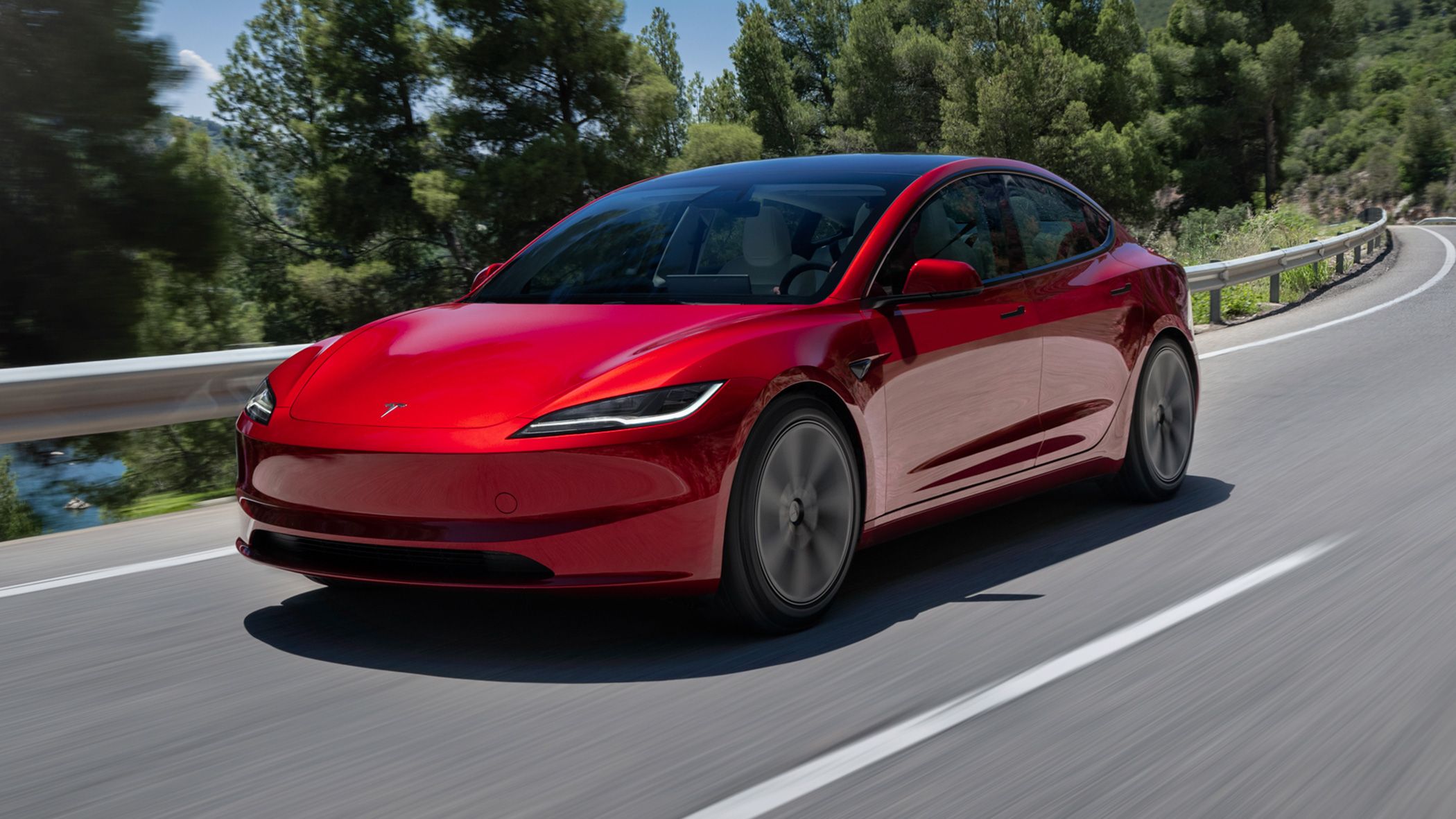
Prerequisites
Before diving into the details, ensure you are familiar with the following foundational concepts:
- Electric Vehicle (EV) Market Dynamics: Understand how automakers set prices, the role of incentives, and typical regional variations.
- Import Tariffs and Trade Agreements: Basic knowledge of tariffs, free trade zones, and how the Canada-United States-Mexico Agreement (CUSMA) affects vehicle imports.
- Canadian EV Incentive Programs: Awareness of the Federal iZEV (“Incentives for Zero-Emission Vehicles”) program, which provides point-of-sale discounts for eligible EVs.
- Tesla’s Manufacturing Footprint: Recognition that Tesla operates factories in the U.S. (Fremont, Texas) and China (Shanghai), and that Chinese-made cars were historically excluded from certain incentives due to tariff barriers.
Step-by-Step Guide to Understanding Tesla’s Canada Model 3 Pricing Strategy
1. Identify the Policy Trigger: Canada's 2024 Tariff Exemption for Chinese EVs
In early 2024, the Canadian government temporarily removed the 6.1% tariff on imported Chinese-made EVs, originally imposed to protect domestic manufacturers. This exemption applies for a limited period (until end of 2025) and requires that the vehicles meet Canadian safety standards. Tesla’s Shanghai Gigafactory already produces dual-motor Model 3 and Model Y units that comply with international regulations, making them eligible. Key takeaway: This tariff waiver directly reduces Tesla’s import cost by about CAD 2,000 per car, enabling the aggressive price drop without sacrificing margins.
2. Analyze Tesla’s Price Calculation
Tesla’s Canada pricing for the Chinese Model 3 starts at CAD 45,990 base MSRP. After Canada’s federal iZEV incentive (up to CAD 5,000) and provincial rebates (e.g., British Columbia offers up to CAD 4,000), the effective price can drop to around CAD 36,990. Compare this to the U.S.-made Model 3 base price of USD 38,990 (≈ CAD 53,000). The Chinese version includes similar specs—range, acceleration, and features—but avoids the labor cost premium of U.S. production. How to replicate this analysis: Visit Tesla’s Canada configurator online, select the Model 3 “RWD” (Rear-Wheel Drive) option (which is the Chinese import variant), and note the displayed price before and after incentives. Update the conversion rate to see the USD equivalent.
3. Evaluate the Impact on the Canadian EV Market
This pricing undercuts most competing EVs in Canada, including the Chevrolet Bolt, Hyundai Ioniq 6, and even Tesla’s own U.S.-made models sold in Canada. Historically, Canadian consumers paid a premium for EVs due to lower production volume and import duties. Now, the Chinese Model 3 becomes one of the cheapest long-range EVs in the country. To measure the effect, monitor quarterly sales data from Transport Canada or the Canadian Automobile Association. Expect a surge in Tesla registrations, particularly in provinces with generous rebates (Quebec, British Columbia). Actionable step: Check news outlets like Autoblog Canada or trade reports for real-time sales figures and market share updates.

4. Assess the Spillover Effect on U.S. Pricing
While the Chinese Model 3 is not sold directly in the U.S. (due to the 27.5% tariff on Chinese EVs under Section 301), the Canadian price advantage creates arbitrage pressure. Some U.S. buyers may consider importing used cars from Canada after they become eligible for resale, though that voids warranties and may violate import rules. More importantly, Tesla’s lower Canadian pricing could force the company to adjust U.S. prices to avoid a perception of unfairness. For instance, if a U.S. consumer compares a Canadian-priced Model 3 (≈ USD 33,000 after rebates) to a U.S.-priced one (≈ USD 39,000), demand might shift toward cross-border purchases despite logistics. Key indicator: Watch for Tesla to respond by lowering U.S. Model 3 prices or increasing inventory discounts.
Common Mistakes to Avoid
- Assuming the tariff exemption is permanent: The waiver ends in 2025, and Canada could reinstate tariffs if domestic EV production accelerates. Do not base long-term purchase decisions solely on today’s price.
- Confusing the Chinese Model 3 with the US-made version: The China-made RWD uses LFP (lithium iron phosphate) battery chemistry, which has lower energy density but longer cycle life. It also lacks some premium features available on US-made models (e.g., upgraded audio). Verify the specifications before assuming they are identical.
- Overlooking provincial rebate compatibility: Not all provinces offer the same rebates. For example, Alberta has no provincial rebate, while Quebec stacks both federal and provincial incentives. Check your province’s Transport Ministry website for eligibility.
- Believing the price applies to all Tesla models: Only the base Model 3 RWD (standard range) is sourced from China. The Long Range and Performance variants, as well as all Model Y units, are imported from the U.S. and subject to standard tariffs.
- Ignoring the exchange rate risk: The CAD to USD exchange rate fluctuates. If the Canadian dollar weakens further, Tesla might adjust prices upward to maintain margins, eroding the nominal discount.
Summary
Tesla’s sale of Chinese-made Model 3 units in Canada at an unexpectedly low price is a direct result of a temporary Canadian tariff exemption on Chinese EVs. The move undercuts competitors, pressures Tesla’s own North American pricing strategies, and may influence cross-border EV markets. For Canadian buyers, it’s an immediate opportunity to access an affordable long-range EV. For U.S. observers, it signals growing price convergence and the power of trade policy to reshape automotive markets. This guide has walked through the policy trigger, price calculation, market impact, and common pitfalls. As the EV landscape evolves, stay updated on trade developments and manufacturer announcements to make informed decisions.
Related Discussions