May 2026 Night Sky Guide: Meteors, Planets, and a Blue Moon
May 2026 brings a trio of celestial highlights: the swift Eta Aquarid meteor shower, a stunning Moon-Venus conjunction, and a rare Blue Moon. Whether you're an early riser or an evening observer, the skies have something spectacular in store. Here's everything you need to know to plan your viewing.
1. What causes the Eta Aquarid meteor shower, and when is the best time to see it in May 2026?
The Eta Aquarids are debris left behind by Halley's Comet, which last visited the inner solar system in 1986 and won't return until 2061. Each year, Earth plows through this dusty trail, and the particles burn up in our atmosphere at about 40 miles per second, creating fast, bright meteors that often leave glowing trains. In 2026, the shower peaks on the mornings of May 5th and 6th. The best viewing is in the hours before dawn, looking generally eastward. Under ideal dark skies, you might see up to 50 meteors per hour. However, a bright Moon this year will wash out fainter streaks, so plan to watch after moonset or find a location with minimal light pollution. Give your eyes 20–30 minutes to adapt, and avoid checking your phone to preserve night vision.
2. What is the Moon-Venus conjunction on May 18, 2026, and how can I find it?
On May 18, just after sunset, look to the western sky. You'll see a delicate crescent Moon paired brilliantly with Venus, often called the Evening Star. The Moon acts like a pointer, making the pair easy to spot even from moderately lit areas. Venus is one of the brightest objects in our night sky, outshone only by the Sun and Moon. From our perspective, the Moon and Venus appear close together, but in reality they are millions of miles apart—this is a line-of-sight alignment. The conjunction offers a wonderful photo opportunity and a chance to observe the age-old dance of solar system bodies. No special equipment is needed; just your eyes, though binoculars can enhance the view.
3. What is a Blue Moon, and when does the one in May 2026 occur?
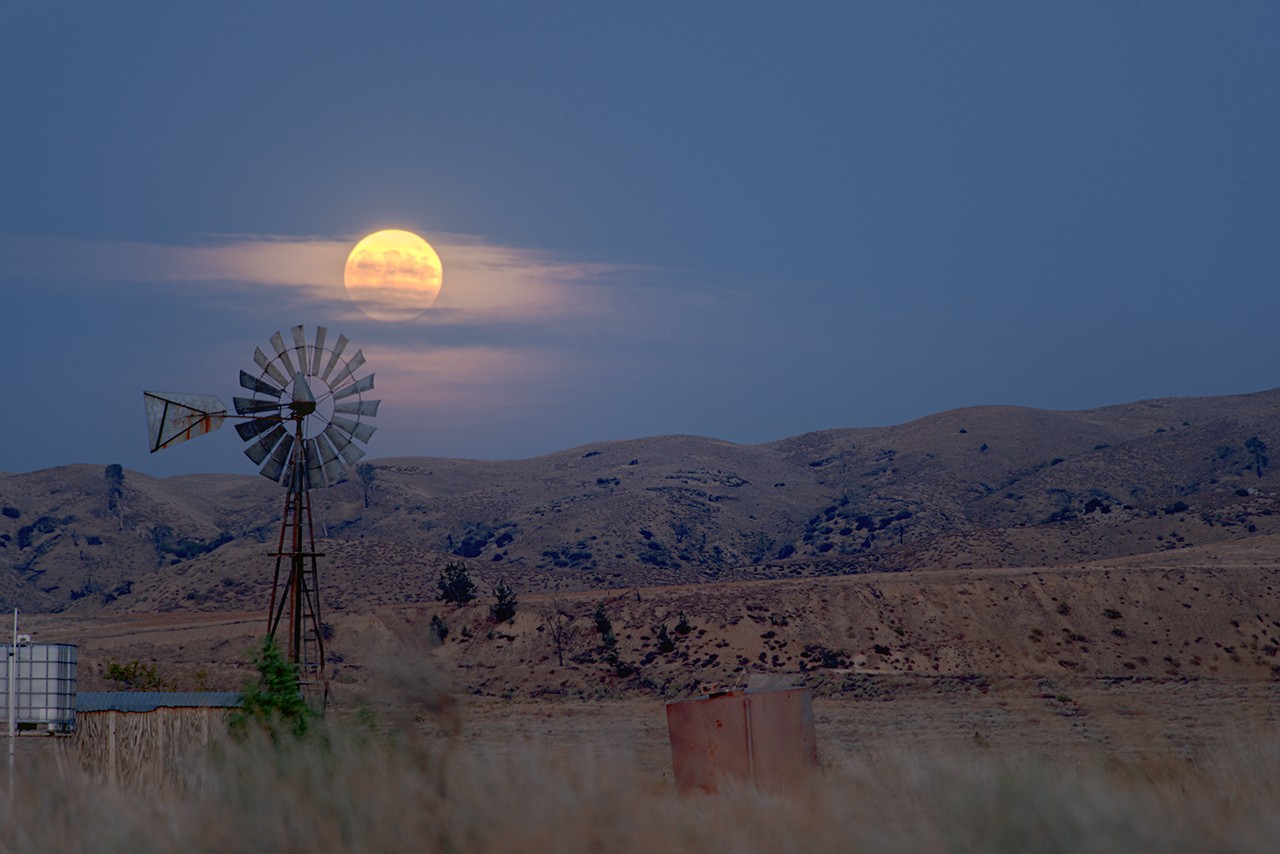
A Blue Moon is not actually blue in color. The term traditionally refers to the second full Moon within a single calendar month. Since the lunar cycle is about 29.5 days, a month occasionally contains two full Moons. The second one is dubbed a Blue Moon. In May 2026, the first full Moon occurs on May 1st, and the second on May 31st—making the latter a Blue Moon. This event is relatively rare, which is why we have the saying “once in a blue moon.” The May 31st full Moon will rise around sunset and be visible all night. Despite the name, it will appear as a typical silvery orb, though atmospheric conditions occasionally add a subtle blue tint—but that's extremely uncommon.
4. What are the best practices for viewing the Eta Aquarid meteor shower during a bright Moon?
Because the 2026 Eta Aquarid peak coincides with a bright Moon, you'll want to maximize your chances. First, check the exact moonrise and moonset times for your location. Plan to observe after the Moon sets in the pre-dawn hours, or before it rises if you're watching the evening before. Second, find a dark site away from city lights—a rural area, state park, or national park works best. Third, allow at least 20 minutes for your eyes to fully adapt to the darkness; avoid any white light, including screens. If you need a light, use a red-filtered flashlight. Fourth, lie flat on a reclining chair or blanket and scan the sky broadly. Though the meteors radiate from near the constellation Aquarius, they can appear anywhere. Patience is key: even with moonlight, you may still spot the brightest fireballs.
5. Why is the Eta Aquarid meteor shower linked to Halley's Comet?
Every year, Earth passes through a stream of debris left behind by Halley's Comet. As the comet orbits the Sun, it sheds dust and small rocky particles. Over centuries, this material spreads along the comet's path. When Earth intersects this trail, the particles enter our atmosphere at extremely high speeds—around 40 miles per second—and burn up, producing the streaks we call meteors. The Eta Aquarid shower gets its name from the star Eta Aquarii in the constellation Aquarius, near the radiant point. Halley's Comet itself is famous for its bright appearance every 75–76 years; it last passed by in 1986 and won't return until 2061. So while you won't see the comet this month, you'll see its legacy in the shooting stars of May.
6. How does the Artemis II mission relate to the May 2026 night sky?
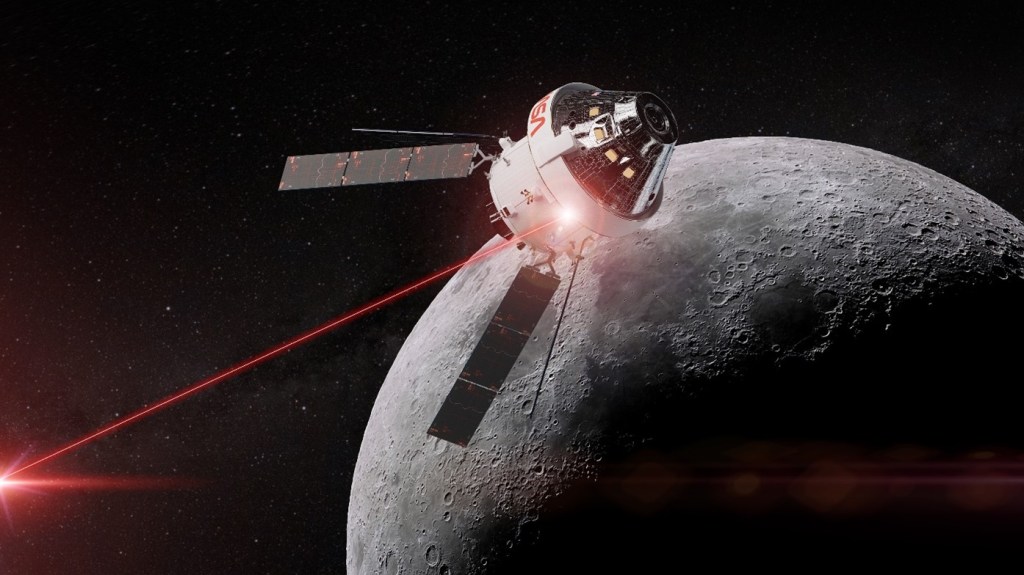
The original skywatching tips mention that Artemis II launched around the time of the April 1st full Moon in 2026, sending astronauts around the Moon for the first time in over 50 years. That mission brought back spectacular new views of our lunar neighbor. As we look up in May, the same Moon that Artemis II orbited is now gracing our skies. The May 18th conjunction and the Blue Moon on May 31st offer a chance to reflect on humanity's renewed exploration of the Moon. While Artemis II doesn't directly affect May's sky events, it adds a contemporary layer of wonder: we're not just observing a distant world from Earth—we're sending people there. Keep an eye on NASA's updates for future Artemis missions, which will eventually land astronauts on the lunar surface.
7. What are the key lunar phases for May 2026?
Knowing the Moon's phases helps plan your skywatching. In May 2026: The month begins with a full Moon on May 1st. The last quarter Moon occurs around May 8th, offering dark skies ideal for meteor watching in the early mornings. The new Moon is on May 15th, perfect for deep-sky observing. The first quarter Moon appears on May 23rd, good for afternoon and evening views. Finally, a second full Moon—the Blue Moon—rises on May 31st. For the Eta Aquarid shower around May 5–6, the Moon will be in a waning gibbous phase, rising later in the night and setting after sunrise, which washes out the pre-dawn hours. But if you wait until after moonset (check local times), you can still catch the brighter meteors. The Moon-Venus conjunction on May 18th is best seen soon after sunset, when the crescent Moon and Venus are still above the horizon.
Related Discussions