SPIFFE Identities: How to Trust AI Agents in a Zero Trust World
As artificial intelligence systems become more autonomous and agentic, securing their identities has become a critical challenge. Traditional identity frameworks designed for humans and static credentials fall short when applied to dynamic, ephemeral, non-human entities. Enter SPIFFE—an open standard that provides a battle-tested way to issue and validate cryptographic identities for workloads, including AI agents, microservices, and robotics. This Q&A breaks down how SPIFFE works, why it's essential for agentic AI, and how it enables secure, federated trust across complex environments.
What exactly is SPIFFE and how does it work?
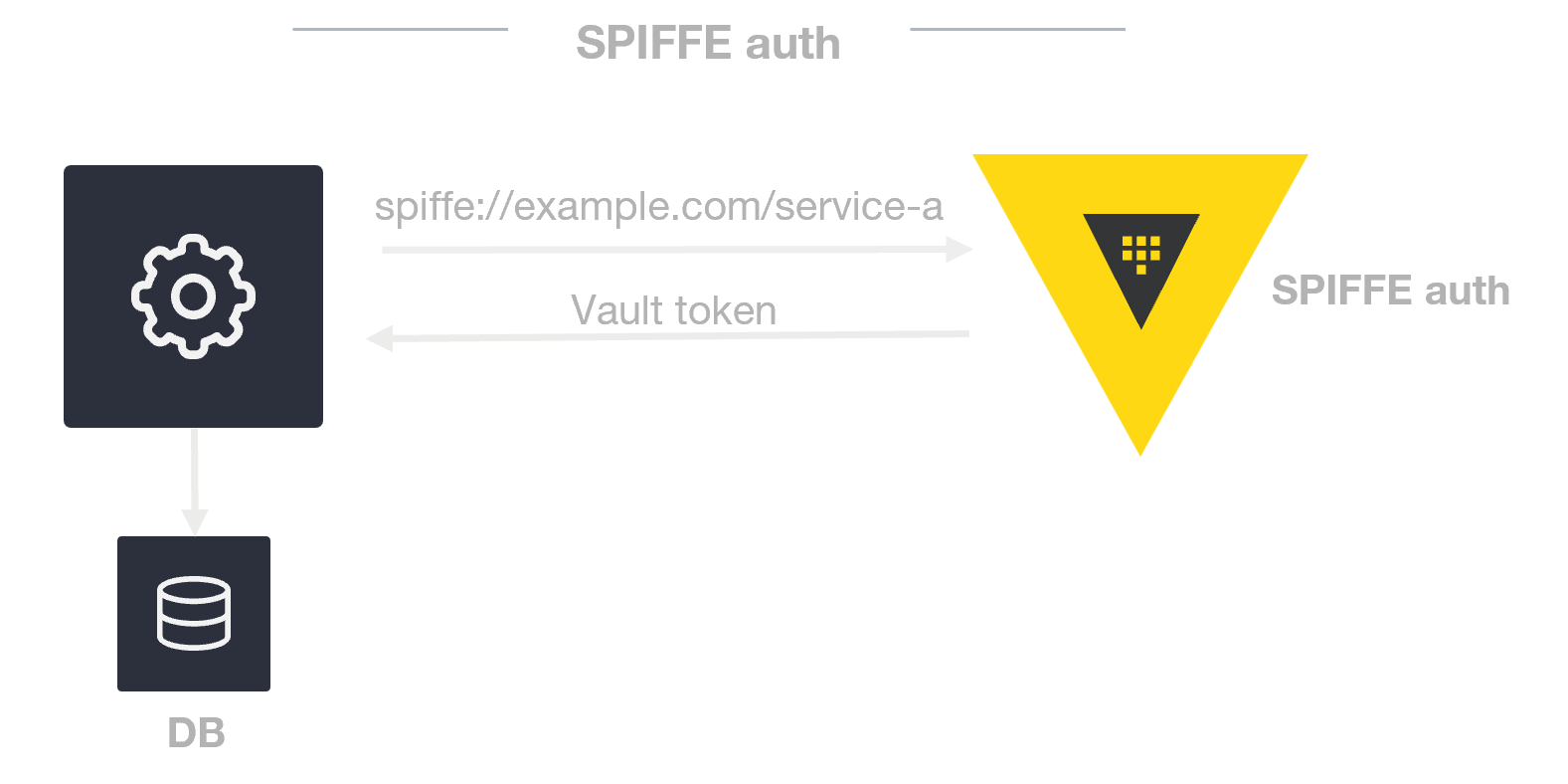
SPIFFE (Secure Production Identity Framework For Everyone) is an open standard that assigns a unique, cryptographically verifiable identity—called a SPIFFE ID—to each workload or process. Instead of relying on static secrets like passwords or API keys, SPIFFE issues short-lived certificates that are automatically rotated. This dynamic credentialing reduces the risk of leaks and makes identity management scalable for cloud-native environments. At its core, SPIFFE enables three key capabilities: workload identity (each service gets a unique ID), federated trust (identities can be validated across organizations), and automated lifecycle management (identities are issued, rotated, and revoked without manual intervention). For AI agents, this means they can prove who they are, what they’re allowed to do, and securely communicate with other systems.
Why are traditional identity methods insufficient for AI agents?
Traditional identity frameworks were built for human users and long-lived credentials, such as passwords, tokens, or API keys. These approaches assume static associations—a human has a fixed identity for weeks or months. But AI agents are often ephemeral: they may be spun up for a single task, exist for minutes, then disappear. They also operate autonomously, making decisions without human intervention. Static credentials create a huge attack surface if leaked, and they don’t handle the rapid scale of dynamic agent swarms. Moreover, traditional identities are typically tied to a person or an organization, not to a specific workload. SPIFFE addresses these gaps by generating identities that are intrinsically linked to the workload’s execution context, automatically rotated, and verifiable without human interaction—perfect for the fast-paced, non-human world of agentic AI.
How does SPIFFE support zero trust for non-human actors?
In a zero trust architecture, every interaction between entities is untrusted by default, requiring authentication and authorization before access is granted. SPIFFE enables mutual TLS (mTLS) between agents, ensuring that each side authenticates the other using cryptographically signed SPIFFE IDs. This means an AI agent cannot impersonate another agent unless it holds the correct private key, which is tightly bound to its workload identity. SPIFFE integrates with standard zero trust frameworks by providing the identity layer that makes mTLS practical at scale. For non-human actors like robotic systems or LLM-powered bots, this ensures that every communication is both encrypted and verified, preventing impersonation attacks and unauthorized data access.
Can SPIFFE handle ephemeral AI agents that come and go quickly?
Yes, SPIFFE is designed for dynamic, short-lived workloads. Its identity lifecycle is fully automated: when an AI agent starts up, it requests a SPIFFE ID from a trusted issuance system. The credential is issued with a short time-to-live (e.g., a few minutes or hours). The agent uses it to authenticate to other services, and as the credential expires, it automatically fetches a new one—all without human intervention. If the agent is decommissioned, its identity is revoked immediately, preventing reuse. This matches the ephemeral nature of many AI agents, which may exist only for a single analytical task or to coordinate a real-time response. By keeping credentials short-lived, SPIFFE minimizes the window for exploitation and reduces the impact of any credential compromise.
How does SPIFFE enable cross-domain federation for AI systems?
Agentic AI systems often span multiple trust domains—different cloud providers, on-premises environments, or even different organizations. SPIFFE’s federation model allows identities issued in one domain to be validated in another. This is achieved through a trust bundle exchange between SPIFFE authorities in each domain. For example, a smart city AI agent from the traffic domain can authenticate to an energy grid agent from a different domain using its SPIFFE ID, even though the two systems operate under separate administrative control. The federation mechanism ensures that each party can cryptographically verify the other’s identity, establishing a cross-domain trust chain. This is essential for multi-agent ecosystems where collaboration must be secure and auditable.
What is a real-world use case for SPIFFE in multi-agent systems?
Consider a smart city where a swarm of AI agents coordinates traffic lights, energy grids, and emergency response. Each agent—whether it’s controlling a traffic signal or balancing power loads—needs to prove its identity and authority to other agents. With SPIFFE, every agent gets a unique ID tied to its role. When a traffic agent sends a request to the energy grid agent to reduce power usage during an emergency, the energy agent first verifies the traffic agent’s SPIFFE ID via mTLS. This ensures the request is legitimate and from an authorized agent. The system can also revoke an agent’s identity if it’s compromised, preventing rogue commands. Short-lived credentials mean even if an agent is hijacked, its access window is limited. This use case highlights how SPIFFE provides a secure, scalable identity foundation for autonomous systems operating in high-stakes environments.
Related Discussions