Breaking: SPIFFE Framework Emerges as Critical Solution for Securing Autonomous AI Identities
Breaking News: SPIFFE Identity Framework Tackles Agentic AI Authentication Crisis
As autonomous AI agents proliferate across industries, the need for a robust identity system has reached a breaking point. SPIFFE, the open-standard identity framework originally designed for microservices, is now being positioned as the primary solution for verifying non-human actors. Without it, multi-agent systems risk impersonation, data breaches, and operational chaos.
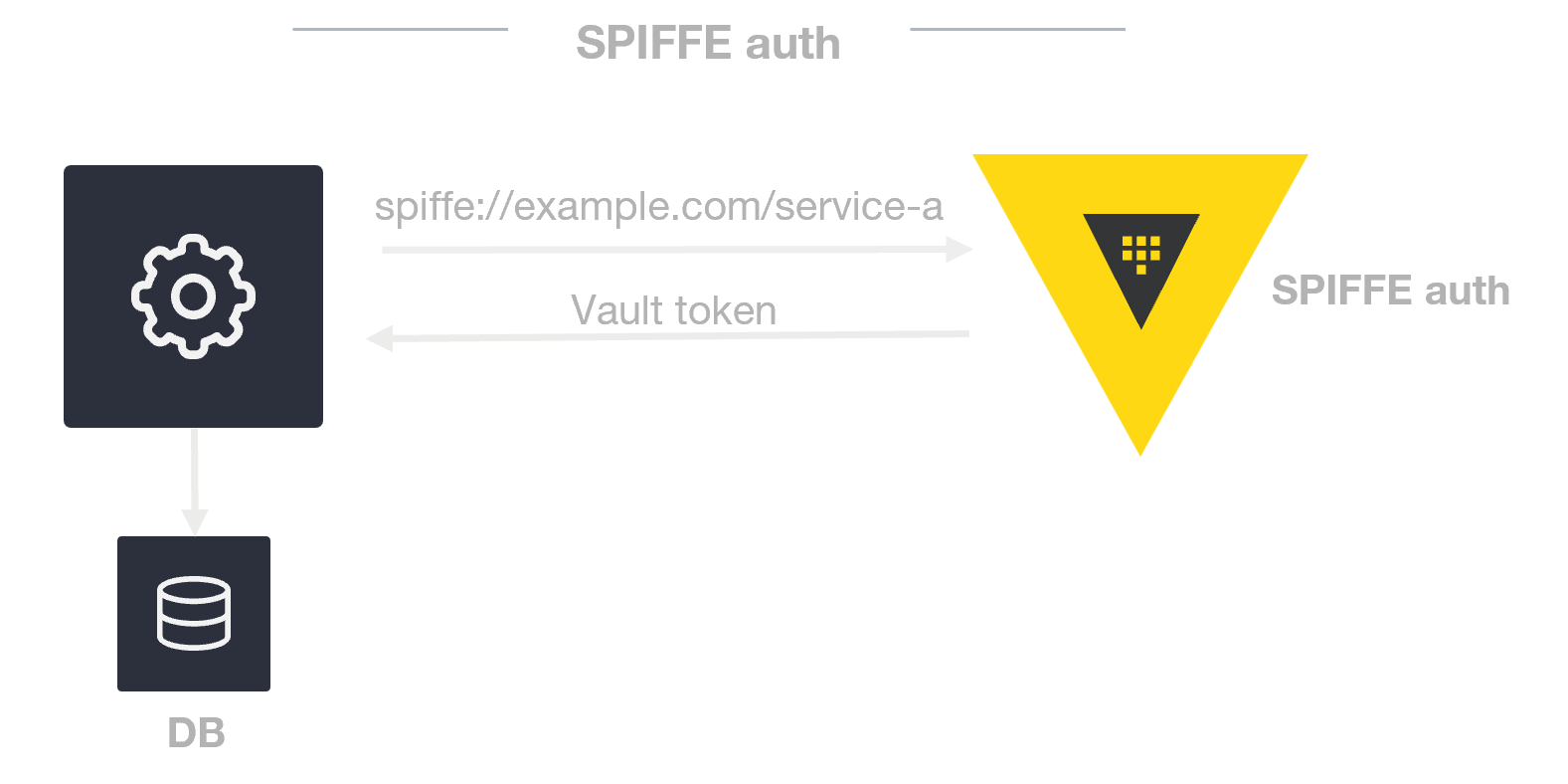
"Traditional human-centric credentials simply cannot keep pace with dynamic AI workloads," said Dr. Elena Torres, a cybersecurity researcher at MIT's AI Trust Lab. "SPIFFE’s workload-bound identities offer the only scalable path to zero trust for agentic systems."
The framework issues unique, cryptographically verifiable identifiers—called SPIFFE IDs—to each process or agent. These IDs enable mutual TLS authentication and can be rotated automatically, reducing attack surface. Often used in cloud-native environments, SPIFFE is now being adopted in robotics and LLM-powered bot networks.
In a multi-agent smart city scenario, for instance, traffic, energy, and emergency agents would each hold a SPIFFE ID to prove their origin and permissions. This prevents malicious actors from injecting rogue commands into critical infrastructure.
Background: From Microservices to Machine Agents
SPIFFE—Secure Production Identity Framework for Everyone—was created in 2017 by the Cloud Native Computing Foundation to solve authentication between microservices. It defines how workloads can securely obtain and present identities without long-lived secrets.
Key capabilities include: dynamic credentialing (automatic issuance and rotation), federated trust (cross-organizational validation), and ephemeral identity lifecycle (supports short-lived agents).
"What started as a DevOps tool is now essential for AI governance," noted James Okonkwo, CTO of SecureAI Inc. "Agentic systems move fast—SPIFFE moves with them."
What This Means for AI Security
The adoption of SPIFFE for non-human actors directly addresses the zero trust requirement that no entity is trusted by default. Every agent-to-agent interaction must authenticate and encrypt via mTLS. This is a game-changer for multi-cloud and cross-organization AI operations.
In practice, any autonomous system can now prove its identity, authority, and trust level before acting. This reduces impersonation risks and enables audit trails for AI decisions. Background details show the framework’s evolution.
"Without SPIFFE-like identity, we're flying blind in the age of agentic AI," warned Dr. Torres. "This is the foundational layer regulators are beginning to demand."
Industry insiders expect major cloud providers to embed SPIFFE into their AI agent toolkits within 12 months.
Urgent Call to Action for Enterprises
Organizations deploying autonomous agents should immediately evaluate SPIFFE integration. The investment in identity infrastructure now prevents costly breaches later. Short-lived credentials, automatic rotation, and federated validation are no longer optional.
Robotics, finance, and healthcare—sectors with high autonomy and regulatory stakes—are leading the charge. What This Means for your sector depends on your agentic AI maturity.
SPIFFE is battle-tested in production at scale. The question is no longer if, but when, every non-human actor will carry its cryptographic passport.
Related Discussions