Revisiting Unity: A Modern Revival of Ubuntu's Classic Desktop Using Wayfire and Libadwaita
Introduction
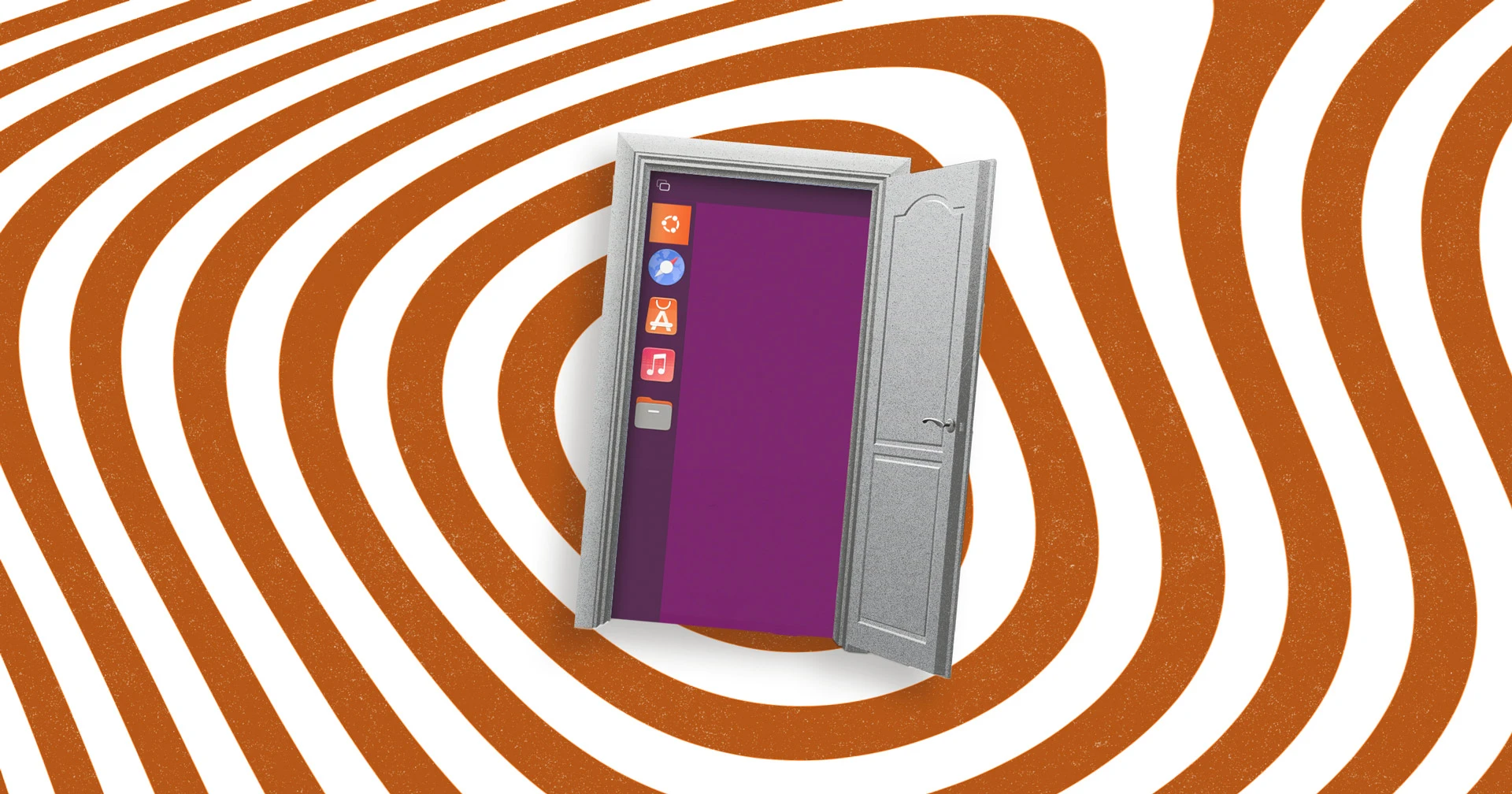
Remember Unity? That sleek, integrated desktop environment that defined Ubuntu for nearly a decade before Canonical abruptly pivoted to GNOME in 2017? If Canonical hadn't burned through cash and goodwill during its ill-fated smartphone venture, Ubuntu would likely still ship with an evolved version of Unity today. But what would that evolved form look like? Thanks to a dedicated community developer, we now have a glimpse into that alternate reality.

The Community Revival Effort
Ubuntu community member Muqtxdir has taken on the ambitious project of rebuilding the Unity shell using modern Linux technologies. As a maintainer of Ubuntu's Yaru theme and a contributor to the immutable Vanilla OS distribution, Muqtxdir brings deep knowledge of both the Ubuntu ecosystem and cutting-edge desktop architectures. He recently shared a video demonstration of his project, which reimagines Unity's interface through a Wayfire compositor session combined with GTK4-layer-shell and Libadwaita widgets.
Technical Details: Wayfire, GTK4-layer-shell, and Libadwaita
This isn't your grandfather's Unity. The revival leverages modern display server technology (Wayfire, a Wayland compositor built with wlroots) and the latest GTK toolkit (GTK4). The use of GTK4-layer-shell allows GTK4 applications to create shell-like surfaces (e.g., panels, docks) that integrate seamlessly with Wayfire. Meanwhile, Libadwaita provides the visual consistency and modern design language that GNOME applications now follow. Together, these components form a lightweight, composited desktop that mimics Unity's original layout—complete with the top panel, launcher, and HUD-like features—but with a fresh, contemporary feel.
Integration with Yaru and Vanilla OS
Muqtxdir's work doesn't exist in a vacuum. His deep involvement with Ubuntu's Yaru theme ensures the revived Unity maintains the familiar orange-and-purple aesthetic that Ubuntu users love. Additionally, his contributions to Vanilla OS (an immutable, atomic Linux distribution) hint at potential future integration there, possibly making Unity available as an alternative desktop environment for those who prefer it over GNOME or KDE.
What This Means for Ubuntu Users
While Canonical has moved on to GNOME (and its customizations like the Dock), many long-time Ubuntu users still miss Unity's unique workflow: the global menu, the lens search, and the unified notification area. This community project shows that Unity's spirit lives on—and can be adapted to modern standards. It also demonstrates how the Linux desktop ecosystem thrives on community experimentation. If the project matures, it could become a spinoff session option for Ubuntu or other distributions, giving users the choice to run a Unity-like environment without Canonical's corporate backing.
Conclusion
The revival of Unity via Wayfire and Libadwaita is a testament to the resilience of open-source ideas. It answers the question of what an evolved Unity might have looked like—a blend of classic usability and modern technology. While still experimental, Muqtxdir's work offers a nostalgic yet forward-looking desktop experience. For anyone curious, the revival project is worth following.
Related Discussions