10 Reasons Why Jellyfin Beats Plex After the Latest Price Increase
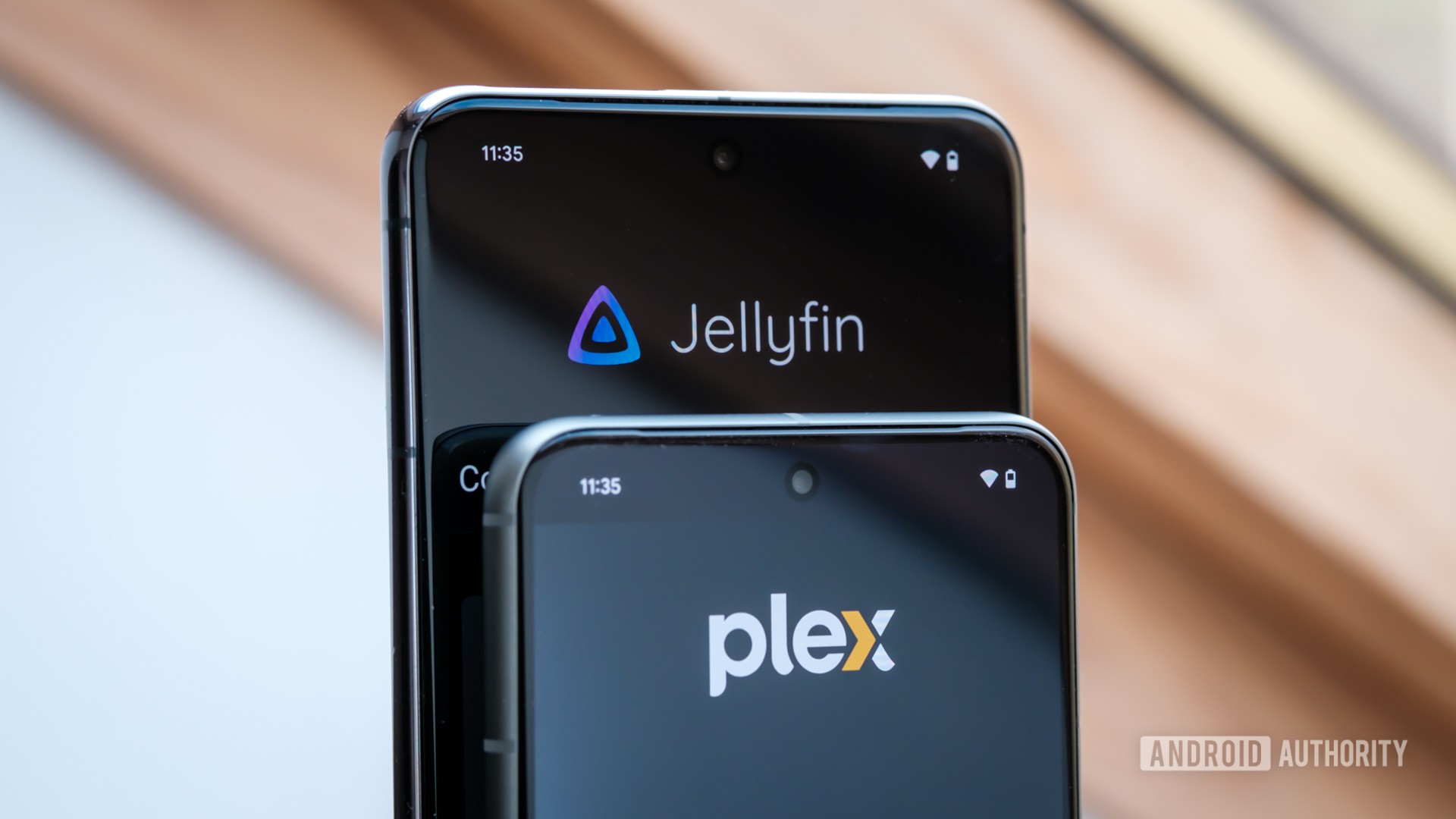
Plex recently announced yet another price hike for remote streaming of your own media library, stirring frustration among users who chose to host their content to escape costly subscriptions. The move has validated the choice of many who switched to open-source alternatives like Jellyfin years ago. If you’re still on the fence, here are 10 critical points that explain why Jellyfin is the smarter, more ethical choice for self-hosted media streaming.
1. The Price Hike Announcement
Plex’s latest pricing update increases the cost of Plex Pass—the subscription required to stream your media over the internet. Previously a $4.99 monthly fee, it now jumps to $6.99, with annual and lifetime options also rising significantly. For users who already paid for a lifetime pass, this feels like a betrayal. The irony is thick: you buy your own hard drives, rip your DVDs, manage your files, and then pay a company to let you watch them away from home. This is the core frustration that drove early adopters to seek alternatives.
2. The True Cost of Remote Access
Under the new pricing, streaming your own movies on a mobile device via Plex now costs $6.99 a month or $79.99 a year. If you skip the subscription, you’re limited to local Wi-Fi streaming only. That means if you’re on vacation or commuting, you either pay up or go without. Compare this to Jellyfin, which offers completely free remote access through reverse proxy or VPN setup. No paywalls, no tiers—just your content, anywhere you have an internet connection. The subscription model feels like a tax on your own media ownership.
3. Self-Hosting Should Be Free (or One-Time Cost)
The entire ethos of self-hosting is to regain control and avoid recurring fees. You handle the hardware, electricity, maintenance, and security—so why should a software layer demand monthly payments? Jellyfin respects this principle: it’s open-source (GPL v2), so you pay nothing for the code. If you want to support development, you can donate—but there’s no forced subscription. Plex, on the other hand, has slowly moved from a one-time purchase model to a subscription treadmill, alienating its core user base.
4. Jellyfin Is Truly Open Source
Jellyfin is free software in the fullest sense. You can inspect, modify, and redistribute the code. This means no telemetry, no advertising, and no data mining. Plex, while popular, is closed-source and has a history of questionable features like “Plex Discover” that suggest content from partners, introducing ads-like recommendations. With Jellyfin, you are the only one who decides what appears on your screen. The community also audits every update, ensuring transparency—a massive trust advantage.
5. Feature Parity with Plex
Many assume Jellyfin lacks key features, but that’s outdated thinking. Jellyfin now offers:
- Hardware transcoding: GPU accelerated using Intel QuickSync or NVIDIA NVENC (free, no license needed).
- Live TV & DVR: Record and stream over-the-air channels with HDHomeRun or similar tuners.
- User profiles: Create separate accounts for family with tailored access.
- Offline downloads: Via third-party clients and some native apps.
- Metadata scraping: Automatic fetching of posters, ratings, and plot summaries from providers like TheMovieDB or FanArt.tv.
In many respects, Jellyfin matches or exceeds Plex—especially considering the cost.
6. Simpler Setup for Advanced Users
Setting up Jellyfin requires a bit more manual configuration than Plex (which is very plug-and-play). But that is a feature, not a bug. You choose your database folder, your transcoding directory, and your network settings. For those comfortable with Docker, there are official images that deploy in minutes. The trade-off is total control. Third-party tools like Jellyfin 10.8 Setup Scripts have simplified the process, and the community wiki is excellent. Once running, it’s as stable as any commercial solution.

7. Vibrant Community & Third-Party Apps
Jellyfin’s community is passionate and responsive. While Plex has official apps for most platforms, Jellyfin relies heavily on third-party clients. But the quality is impressive: Jellyfin MPV Shim for Windows, Infuse (pro) on Apple TV, Jellyfin for Android TV (native), and Swiftfin for iOS. Many of these are actively maintained by volunteers. The community also builds plugins for anime, music, and even TV guide data. Because the platform is open, support forums and Reddit communities provide fast, helpful advice.
8. Hardware Transcoding Without Paying Extra
Plex makes you buy a Plex Pass to unlock hardware transcoding. Without it, your CPU must handle all encoding, which can choke on high-bitrate 4K streams. Jellyfin gives you hardware acceleration for free. Whether you have an Intel CPU with QuickSync or an NVIDIA GPU, simply install the drivers and enable it in settings. This alone can save you $100+ on a lifetime Plex Pass. For home servers with multiple users, this is a game-changer—especially if you have remote friends or family.
9. No Lock-In, No Spam
Plex has increasingly pushed its own content discovery features, which often highlight shows from partner services like Tubi or Pluto TV—effectively turning your library into a storefront. Jellyfin shows only your content. No “Recommended” sections filled with ads, no “Watch Together” features that require an account, no marketing emails. You are the only curator. If you want to share a library with your parents, you set up a simple user and give them a link. No registration on a third-party server required.
10. Future-Proofing Against Corporate Decisions
Plex is a profit-driven company. They will continue to raise prices, introduce ads, or restrict features to boost revenue. Jellyfin has no incentive to do that—it’s maintained by volunteers who care about the self-hosted community. Even if the core team disbands, the open source license ensures anyone can fork it. The longevity of your media library depends on choices you make today. By choosing open source, you guarantee that no corporate board can ever limit your access to your own movies, music, or photos.
Conclusion
The Plex price hike is just the latest symptom of a company that has lost sight of its users. While Jellyfin requires a bit of initial effort, the payoff is total freedom, zero recurring costs, and a community that respects your privacy and ownership. If you value control over convenience, making the switch will feel less like a compromise and more like a liberation. Don’t wait for the next price increase—take charge of your media experience with Jellyfin.
Have you already migrated? Let us know in the comments below, or share your setup tips with the community.
Related Discussions