Understanding the Rural Guaranteed Minimum Income Initiative: A Q&A
In January 2025, a significant philanthropic push known as the Rural Guaranteed Minimum Income Initiative was launched, aiming to address both immediate hardships and long-term systemic inequalities. This initiative builds on the “Share the American Dream” pledge, which calls for supporting effective charities now while dedicating time or funds to ensure future opportunities. Below, we explore the key elements of this movement through a series of detailed questions and answers.
What Exactly Is the Rural Guaranteed Minimum Income Initiative?
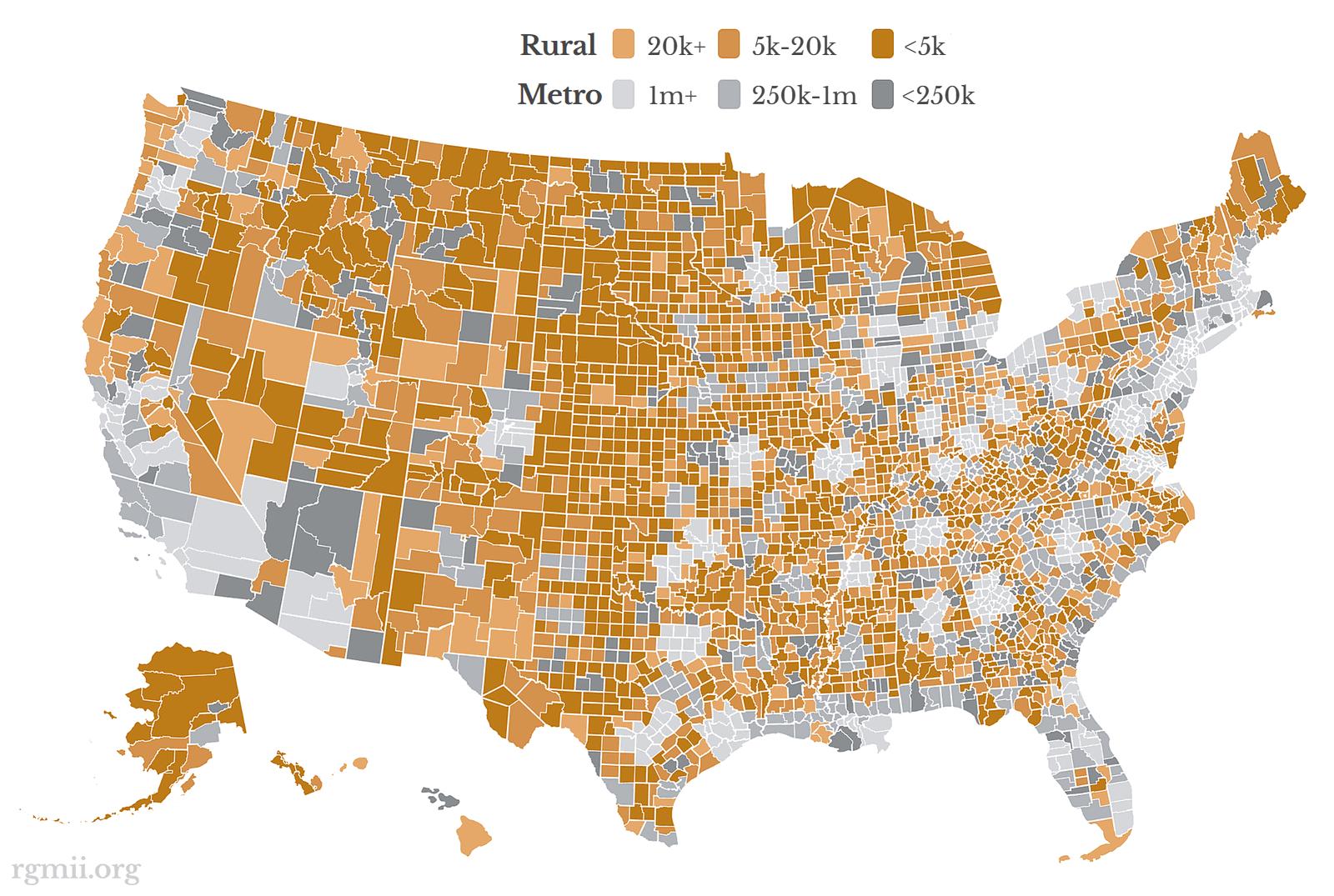
The Rural Guaranteed Minimum Income Initiative is a philanthropic effort designed to provide consistent, unconditional cash transfers to individuals in rural communities who struggle to meet basic needs such as housing, food, and healthcare. While the original text doesn't specify the exact program details, the initiative is part of a broader commitment to guarantee that everyone has the essentials for a dignified life. By focusing on rural areas, where economic opportunities are often scarcer, this project aims to reduce poverty and stabilize households. The $100,000 donation to the Rural Democracy Initiative mentioned in the pledge list likely supports related policy work, while the larger $21 million fund addresses immediate crises through various charities. The initiative reflects the belief that financial security is a fundamental right, not a privilege.
What Inspired the Creation of This Initiative?
The driving force behind the initiative is a deeply personal philosophy echoed by the quote “From those to whom much is given, much is expected,” credited to Mary Gates. This sentiment resonated profoundly with the author, who realized that his family had everything they needed and questioned why others couldn't have the same. The partner's statement, “We have everything we need; how do we make sure everybody has what they need?”, became a guiding principle. The author further muses that enough is a moving target, and since 2021, has asked repeatedly when enough is enough. The initiative is thus a personal answer to that question: a commitment to use wealth to ensure basic security for all, especially those in underserved rural regions.
What Is the “Share the American Dream” Pledge?
The “Share the American Dream” pledge is a two-part call to action issued one year before the initiative's launch. First, individuals are invited to support organizations that are effectively helping those most in need across America right now. Second, within five years, participants should also contribute public dedications of time or funds toward longer-term efforts to keep the American Dream fair and attainable for all children. This pledge combines immediate relief with systemic change, recognizing that reactive charity alone cannot solve deep-rooted inequalities. By encouraging both short-term donations and sustained commitment, the pledge aims to create a culture of generosity that builds a safer, more equitable future. The Rural Guaranteed Minimum Income Initiative is a concrete manifestation of this pledge's second step.
How Much Was Donated, and Which Organizations Received Funding?
In January 2025, the author initially directed $1 million each to eight nonprofit charities. However, urgent needs escalated quickly, leading to an additional $13 million in donations within a few months, bringing the total to approximately $21 million. Recipient organizations span diverse causes: Team Rubicon ($1M), Children’s Hunger Fund ($1M), PEN America ($1M), The Trevor Project ($1M), NAACP Legal Defense and Educational Fund ($1M + $100K), First Generation Investors ($1M), Global Refuge ($1M), Planned Parenthood ($1M), VoteVets ($2M), Mastodon ($1.5M), 404 Media ($1.1M), Ryan Broderick / Garbage Day ($1M), Internet Archive ($1M), Common Crawl Foundation ($1M), Wikipedia / Wikimedia Foundation ($1M), Internet Security Research Group ($1M), DNA Lounge ($1M), Murena ($500K), Sharewell ($300K), Precious Plastic ($100K), Economic Security Project ($100K), Rural Democracy Initiative ($100K), Civic Nation ($100K), Sojourn Project ($750K), Alameda Food Bank ($150K), and Urban Compassion Project ($75K).
Why Does the Initiative Emphasize Both Short-Term and Long-Term Efforts?
The author argues that a purely reactive, short-term approach leads to endless “firefighting” without addressing root causes. While immediate donations are crucial for urgent needs like food, shelter, and healthcare, they are not enough to break cycles of poverty. The Rural Guaranteed Minimum Income Initiative embodies the belief that fire abatement—preventative measures and systemic reform—is equally vital. By combining emergency grants (e.g., to the Alameda Food Bank) with investments in organizations like the Economic Security Project or the Rural Democracy Initiative, the effort tackles both symptoms and structural problems. This dual strategy ensures that immediate crises are relieved while long-term policy and community infrastructure are strengthened. The pledge's two-part structure mirrors this philosophy: act now, but also commit to lasting change.
How Does the Mary Gates Quote Guide This Philanthropy?
The quote “From those to whom much is given, much is expected” serves as the moral compass for the entire initiative. It reminds the author and his family that their wealth and comfort come with a duty to redistribute resources. This is not a guilt-driven act but a deliberate choice rooted in the conviction that “we have everything we need” and that everyone should have the basics for a good life. The quote transforms abstract philanthropy into a personal responsibility: because they have been fortunate, they must ensure others have a comfortable home, enough food, and healthcare. The Rural Guaranteed Minimum Income Initiative is a practical application of this principle, aiming to make the American Dream fair and reachable for all children, regardless of geography.
Related Discussions