10 Essential Things to Know About the Strawberry Moon in June 2026
As summer approaches, the night sky offers a celestial treat: the Strawberry Moon. This full moon, occurring in June, is steeped in folklore and practical skywatching appeal. Whether you're a seasoned astronomer or a casual stargazer, understanding its timing, name, and viewing tips can enhance your experience. Below, we break down the key details to help you make the most of this lunar event. From peak visibility to cultural roots, here are ten things you need to know.
1. What Exactly Is the Strawberry Moon?
The Strawberry Moon is the traditional name for the full moon that occurs in June. It aligns with the short strawberry harvesting season in northeastern North America, as noted by Algonquin tribes. This full moon is also known in Europe as the Rose Moon, Mead Moon, or Honey Moon. In astronomical terms, it marks the moment when the moon is opposite the sun, fully illuminated as seen from Earth. The exact time of fullness is brief, but the moon appears full for about three days centered on that moment, offering ample opportunity for observation.
2. When Does the Strawberry Moon Peak in 2026?
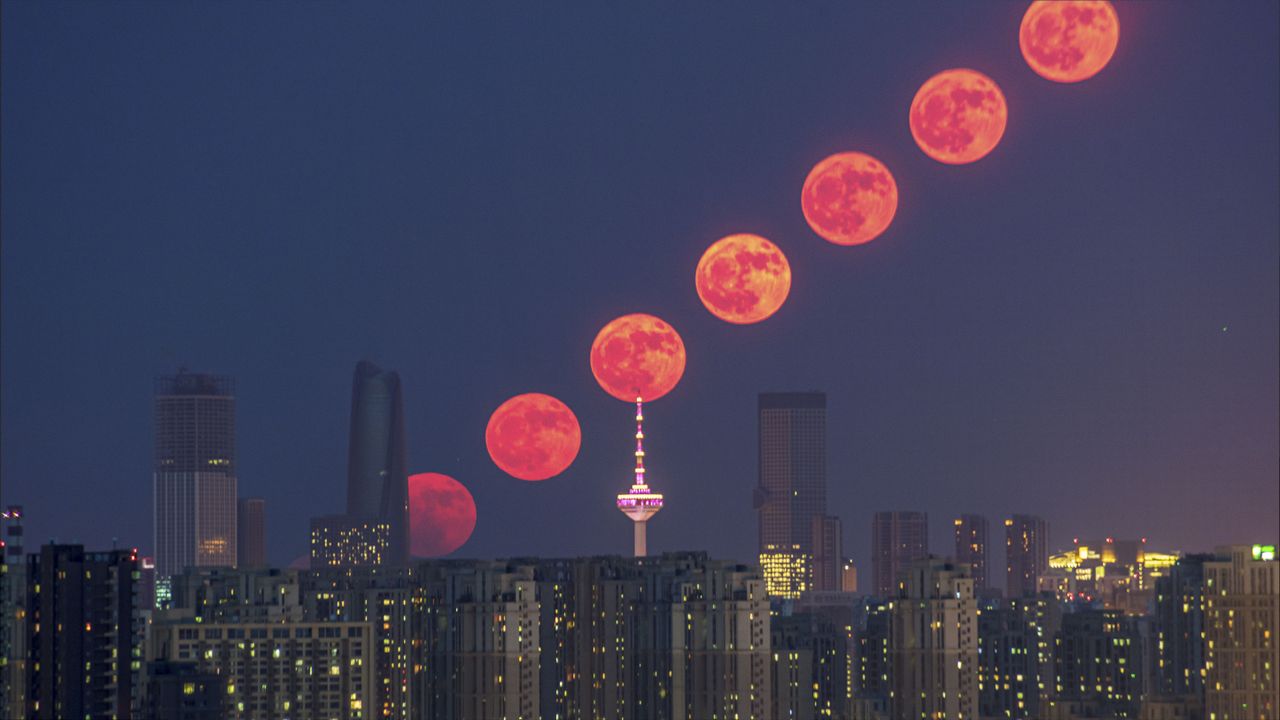
In 2026, the Strawberry Moon reaches its peak illumination on June 24 at 9:42 p.m. Eastern Daylight Time (EDT) (01:42 UTC on June 25). This timing favors viewers in the Americas, where the moon rises shortly after sunset, providing a dramatic low-hanging view. For observers in Europe and Africa, the peak occurs during nighttime hours, making it equally accessible. Check local moonrise times to pinpoint the best viewing window in your region.
3. Why Is It Called 'Strawberry Moon'?
The name originates from Algonquin tribes of the northeastern United States, who associated this moon with the brief ripening of wild strawberries. Other cultures have their own monikers: In Europe, it's the Rose Moon for the blooming of roses, or the Honey Moon for the harvest of honey. Despite its sweet name, the moon itself does not appear pink or red; the name is purely seasonal. However, atmospheric conditions can sometimes tint it orange or red near the horizon.
4. Best Time to Watch the Strawberry Moon
The optimal viewing moments are during moonrise and moonset, when the moon appears larger and often takes on a warm hue. On June 24, 2026, moonrise occurs about 30–60 minutes after sunset, depending on your latitude. Plan to be at a location with a clear eastern horizon. For the western sky, catch it just before dawn on June 25. Use tools like the Time and Date website to get precise moonrise/set times for your city.
5. How to See It Without Special Equipment
No telescope or binoculars are necessary—just your eyes and a clear sky. However, binoculars (7x50 or 10x50) will reveal craters and mountains in stunning detail, while a small telescope can show the lunar terminators (shadow line). For the best naked-eye view, find a spot away from city lights. The moon is so bright that it can even be seen from light-polluted areas, but darker skies enhance contrast.
6. Skywatching Highlights Around the Strawberry Moon
During June 24–25, the moon will be near the bright star Antares (in Scorpius), making a lovely pairing. Additionally, planets Jupiter and Saturn are visible in the morning sky, while Venus shines brightly after sunset (though it sets early). The summer Milky Way begins to arch overhead after midnight, offering a backdrop of star clusters and nebulae. Check a sky map app to identify these features.
7. Cultural Significance and Folklore
Beyond the strawberry harvest, many cultures celebrated the June full moon. In medieval Europe, it marked the start of the honey harvest, hence Mead Moon. Some traditions consider it a time of love and fertility, as it often falls near the summer solstice (June 20 or 21). The solstice combined with the full moon can create a powerful energetic window, celebrated in festivals like Litha by modern pagans.
8. Scientific Tidbits: Perigee and Apogee
In 2026, the Strawberry Moon occurs just a few days before lunar perigee (closest approach to Earth), making it a supermoon? Actually, the exact perigee is on June 27, so this full moon is near perigee but not technically a supermoon (which requires perigee within 24 hours of full). Still, it will appear slightly larger than average. The distance is about 367,000 km from Earth, compared to average 384,400 km.
9. Photography Tips for the Strawberry Moon
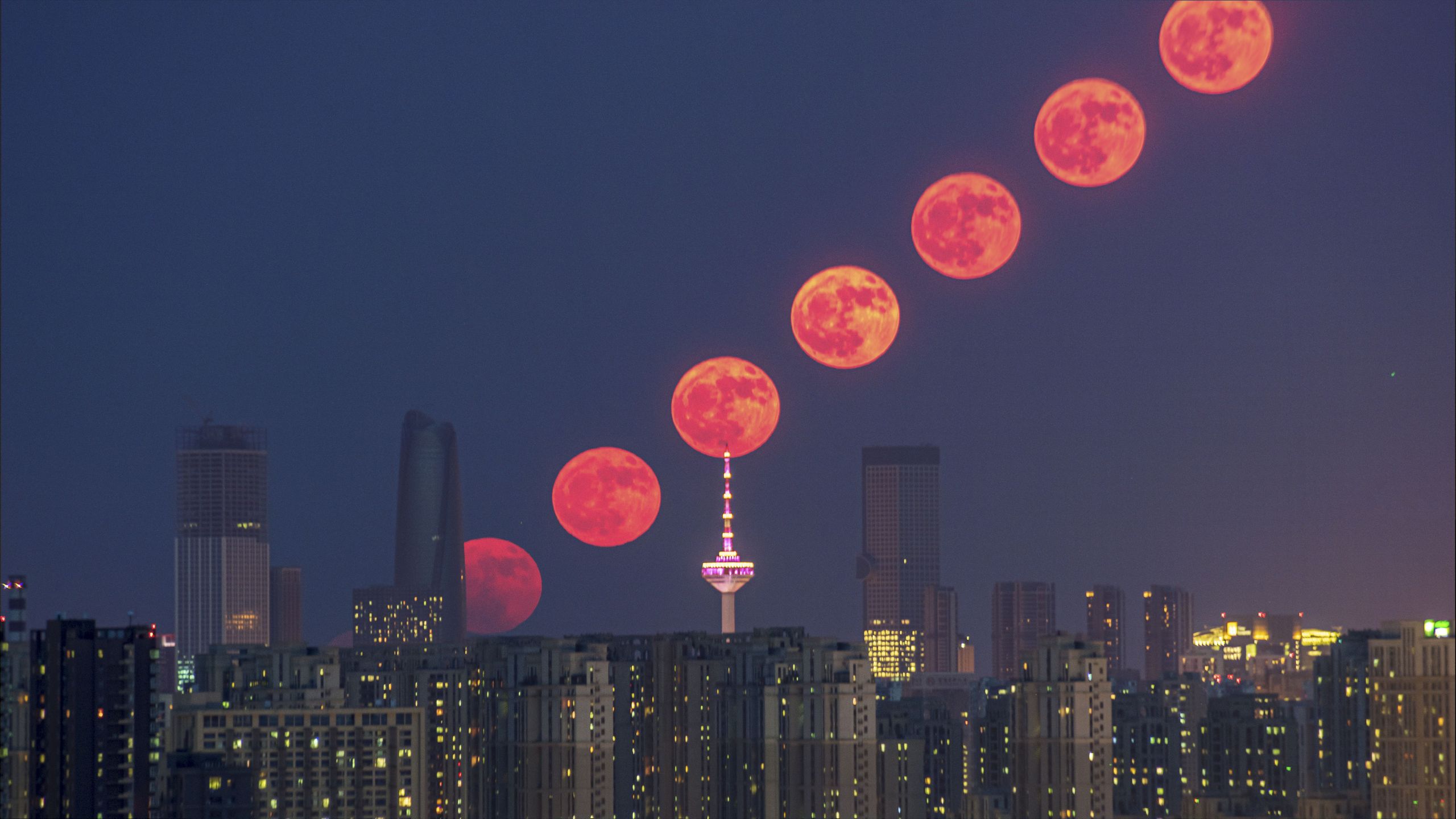
To capture the moon with landscapes, use a telephoto lens (200mm or more) and a tripod. Set your camera to manual mode: start with ISO 100, aperture f/8, shutter speed 1/125 sec. For the moon alone, a faster shutter (1/250) prevents overexposure. Include foreground elements like trees or buildings for scale. The golden hour near moonrise adds magic. Use the Spot metering mode focused on the moon for correct exposure.
10. What Comes After the Strawberry Moon?
The next full moon, known as the Buck Moon, will occur on July 24, 2026. It gets its name from the new antlers of male deer. In the meantime, enjoy the waning gibbous moon and look for the waning crescent in early July. The lunar cycle repeats every 29.5 days, so mark your calendar for the next celestial event. For continuous skywatching, follow moon phases and planetary alignments.
Conclusion: The Strawberry Moon of June 2026 offers a perfect blend of natural beauty, cultural history, and astronomical interest. Whether you admire it from a backyard or a dark-sky park, these ten insights ensure you don't miss a thing. Plan ahead, clear your schedule, and look up to witness this luminous spectacle. For more lunar guides, check our timing details and viewing tips above. Happy skywatching!
Related Discussions