Revolutionizing Retail: The Steve Jobs Approach to the Apple Store
Introduction
When Steve Jobs unveiled the first Apple Stores on May 19, 2001, he didn't just launch a new retail channel — he fundamentally reshaped how technology companies interact with customers. With two inaugural locations — one in Glendale, California, and another in Tysons Corner, Virginia — Jobs proved that a physical store could be more than a transactional space; it could be an experience. This guide breaks down the step-by-step strategy Jobs used to transform brick-and-mortar retail, from the initial vision to the final execution. Whether you're a business owner or a retail enthusiast, these principles offer timeless lessons in innovation.
What You Need
- Visionary mindset: A willingness to challenge conventional retail wisdom
- Customer-centric design: Focus on user experience, not just products
- Prime real estate: Locations with high foot traffic (e.g., malls, busy streets)
- Employee training program: Staff who are product experts, not salespeople
- Minimalist interior: Open floor plan, clean lines, and natural materials
- Integrated technology: Seamless point-of-sale and customer support systems
- Strong brand identity: Consistent visual language across all touchpoints
- Innovation budget: Funds for prototyping and experimentation
Step‑by‑Step Guide
-
Step 1: Define a Radical Vision
Steve Jobs began with a simple yet profound idea: the store should serve as a living showcase for the Apple brand, not just a sales floor. He famously stated, "This is our store" during a video launch on May 15, 2001, just days before the first openings. This vision rejected the clutter of traditional electronics retailers. Jump to Step 4 for design specifics. To replicate this, outline a core experience that eliminates friction — think easy product testing, immediate support, and an atmosphere that invites exploration.
-
Step 2: Challenge Retail Conventions
Jobs understood that to change retail, you must break its rules. He dismissed the standard approach of maximizing product density per square foot. Instead, he prioritized open space and fewer SKUs. For example, the first Apple Stores carried only a handful of products — Macs, iPods, and accessories — arranged on sleek tables. This forced customers to engage with each item, turning browsing into a tactile experience. Tip: Resist the urge to cram shelves; let your hero products breathe.
-
Step 3: Choose Iconic Locations
Both inaugural stores were in high‑traffic, upscale shopping centers: the Glendale Galleria in California and the Tysons Corner Center in Virginia. Jobs deliberately avoided suburban strip malls. He wanted foot traffic from people who might not otherwise step into a computer store. Research your local hotspots — malls, downtown districts, or transit hubs — and secure a spot that aligns with your brand's aspirational image.
-
Step 4: Design for Experience, Not Transactions
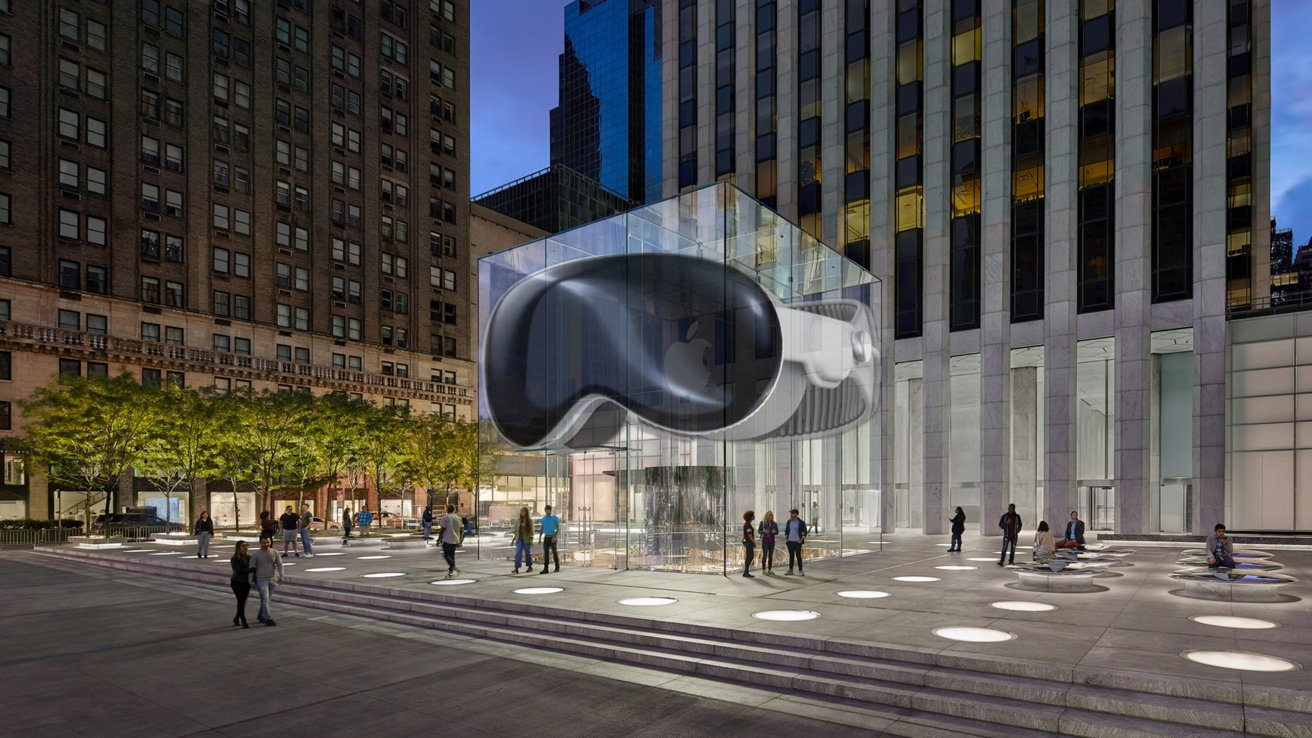
The store layout was revolutionary. Jobs collaborated with architect Bohlin Cywinski Jackson to create a minimalist aesthetic: stainless steel walls, glass storefronts, and wooden tables. The Genius Bar — a dedicated shoulder‑high table for technical support — became the centerpiece. This design encouraged conversations rather than quick purchases. Ensure your space has distinct zones: discovery (products), learning (workshops), and support (service).
-
Step 5: Empower Employees as Experts
Jobs insisted that staff be called Specialists, not salespeople. They were trained to solve problems, not close deals. In the early days, employees received extensive product training and were taught to ask, "What can we help you with?" instead of "What do you want to buy?" Recruit individuals who are passionate about your brand, then invest in continuous education.

Source: appleinsider.com -
Step 6: Launch with a Bang — but Iterate Quietly
The first two stores opened on the same Saturday, May 19, 2001, generating buzz through local media and word‑of‑mouth. Yet Jobs treated these as pilot locations. He made tweaks — adjusting product placements, refining the Genius Bar experience, and incorporating customer feedback before expanding to 25 more stores the following year. Launch small, observe intently, and scale only after refining your model.
-
Step 7: Use Technology to Enhance, Not Overwhelm
Apple Stores integrated proprietary point‑of‑sale (POS) software and EasyPay self‑checkout years before competitors. This reduced wait times and let staff focus on engagement. Today, the Apple Store app and in‑store pickup are extensions of that same philosophy. If possible, design digital tools that streamline the customer journey — from browsing to payment to support.
-
Step 8: Build a Community Hub
From the beginning, Jobs envisioned stores as gathering places. Free workshops, today known as Today at Apple, offer coding, photography, and music sessions. This transforms the store from a retail location into a resource that deepens customer loyalty. Plan events that educate your audience about your products while celebrating their creativity.
Tips for Success
- Start with a clear ‘why’. Your store's purpose must extend beyond selling. For Apple, it was about building relationships and trust.
- Obsess over details. Jobs personally approved the lighting, the angle of product displays, and even the font used on signage. Small touches signal care.
- Listen to front‑line staff. Specialists often have the best insights about customer needs. Create feedback loops that bring their ideas to leadership.
- Don't fear empty space. White space gives customers room to think and reduces the frantic feeling of a crowded sales floor.
- Test before you expand. The Glendale and Tysons Corner stores were live laboratories. Run experiments in one location before rolling out changes chain‑wide.
- Remember the first impression. The entrance, even the door handle, sets the tone. Apple's glass staircases became iconic for a reason.
- Keep innovating. Retail is never static. Steve Jobs would later introduce the iPad as a sales tool, eliminating the traditional register. Always look for the next iteration.
Related Discussions