7 Essential Facts About the Celestron AstroMaster LT 70AZ Telescope
Introduction
If you’re dipping your toes into the world of stargazing, choosing the right first telescope can feel overwhelming. The Celestron AstroMaster LT 70AZ is often recommended as a starting point, but what makes it stand out? We’ve broken down the key features and practical takeaways into seven numbered points to help you decide if this scope is your gateway to the cosmos. From lunar craters to Jupiter’s moons, here’s everything you need to know.
1. Aperture That Balances Light Gathering and Portability
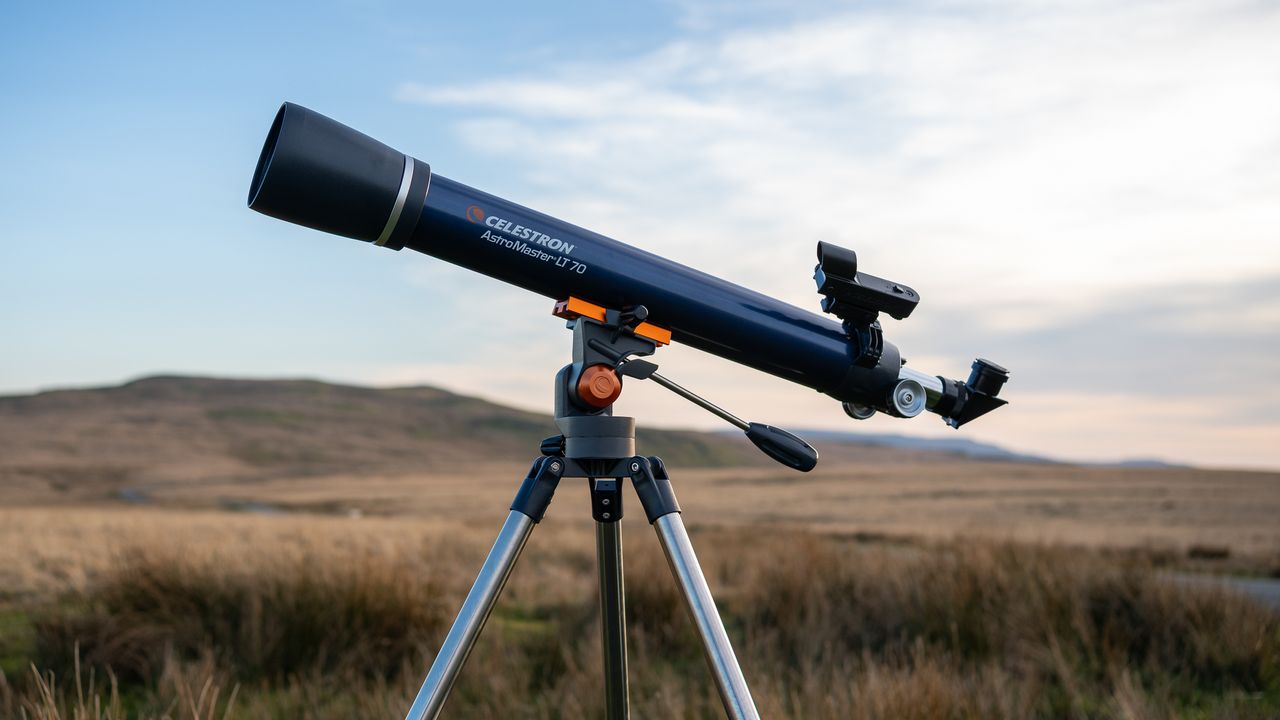
The telescope’s 70mm (2.76-inch) aperture is a sweet spot for beginners. It collects enough light to reveal details on the Moon, the rings of Saturn, and the cloud bands of Jupiter—all without making the instrument too heavy or cumbersome. While larger apertures exist, this size ensures the tube stays compact (just over 30 inches long) and weighs under 8 pounds, making it easy to carry to a dark backyard or a local park. Remember, aperture is the most critical specification for a telescope; a 70mm objective beats the tiny lenses on cheap department‑store scopes hands down.
2. Simple Alt‑Azimuth Mount for Effortless Tracking
One of the biggest frustrations for new astronomers is struggling with a complex equatorial mount. The AstroMaster LT 70AZ uses an alt‑azimuth mount, which means moving the tube up‑down (altitude) and left‑right (azimuth). This intuitive two‑axis motion mirrors the way you’d naturally point a camera or binoculars. A slow‑motion control knob on one axis lets you make fine adjustments to keep celestial objects centered, especially at higher magnifications. No polar alignment, no heavy counterweights—just set up on a flat surface and start exploring.
3. Pre‑Assembled Tripod and Quick Setup
Nobody wants to spend an hour assembling gear when the sky is clear. Celestron includes a pre‑assembled, adjustable aluminum tripod with an accessory tray that holds eyepieces. Attaching the tube to the mount takes only a few minutes, and the whole process—from box to first star—can be completed in under 15 minutes. The tripod legs have rubber feet for stability on grass or pavement, and the center brace adds rigidity. For families or casual users, this “out‑of‑the‑box” ease is a massive time‑saver.
4. Two Eyepieces Offer Versatile Views
Inside the box you’ll find two Kellner eyepieces: a 20mm (20x magnification) and a 10mm (40x magnification). The 20mm gives wide, bright views of the Moon or star clusters, while the 10mm pulls in details like Saturn’s rings or Jupiter’s cloud bands. Both eyepieces are 1.25-inch, which is the industry standard, so upgrading later is simple. A built‑in 2x Barlow lens also ships with the kit, effectively doubling your magnification to 40x and 80x. However, be aware that pushing beyond 80x on a 70mm scope often results in dim, blurry images under typical seeing conditions.
5. What You Can Actually See: Moon, Planets, and Brighter Deep‑Sky Objects
This telescope excels with solar system targets. The Moon’s craters appear sharp, especially along the terminator line. Jupiter shows two major cloud bands and its four Galilean moons. Saturn’s rings are clearly visible, and you might catch a glimpse of the Cassini Division under steady atmospheric conditions. Mars appears as a tiny orange disk with occasional dark patches. For deep‑sky, the 70mm aperture will reveal the Orion Nebula as a hazy patch, the Pleiades cluster with dozens of stars, and a few brighter globular clusters like M13. Faint galaxies and nebulae will remain challenging.
6. Limitations to Consider Before Buying
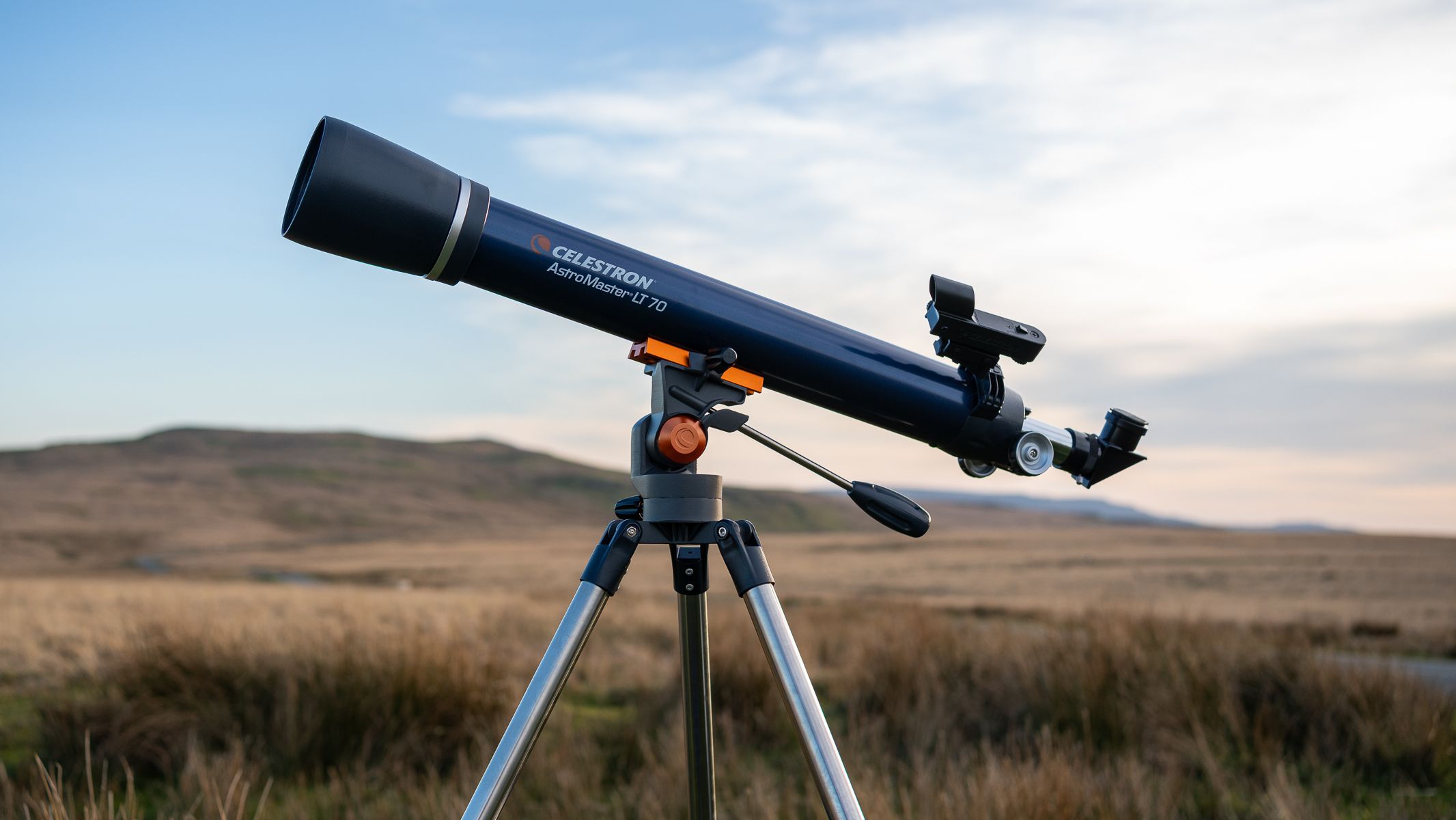
No telescope is perfect, and the AstroMaster LT 70AZ has its trade‑offs. The tripod, while sturdy enough for low‑power viewing, can wobble if you bump it or in a breeze—especially at higher magnifications. The included Barlow lens can introduce chromatic aberration (blue/purple fringing) around bright objects like the Moon or Jupiter. Also, the mount’s “slip‑clutch” mechanism may loosen over time, allowing the tube to drift. These are common in the budget‑price range, but they’re worth knowing so you can adjust your expectations.
7. Upgrade Path and Accessories to Enhance Your Experience
Once you’ve mastered the basics, a few affordable upgrades can breathe new life into the scope. A better eyepiece—such as a 6mm gold‑line or a 32mm Plössl—improves sharpness and widens the field. A red‑dot finder (optional) can replace the included 5×24 finderscope for easier aiming. If vibrations bother you, adding small weights to the accessory tray or upgrading to a sturdier tripod (like a used camera tripod with a 3/8‑inch adapter) can stabilize the mount. The tube itself is solid; these tweaks simply polish the experience.
Conclusion
The Celestron AstroMaster LT 70AZ is an honest, no‑fuss telescope that delivers dependable views of the Moon and bright planets without straining your wallet or patience. Its simple mount, quick setup, and adequate aperture make it a strong candidate for anyone starting out in astronomy. While it won’t rival larger, more expensive scopes, it provides exactly what a beginner needs: a low‑barrier entry to the night sky. By understanding its strengths and limitations, you can make the most of every clear evening.
Related Discussions