Nio's Onvo L80: A Budget Tesla Model Y Rival Explained
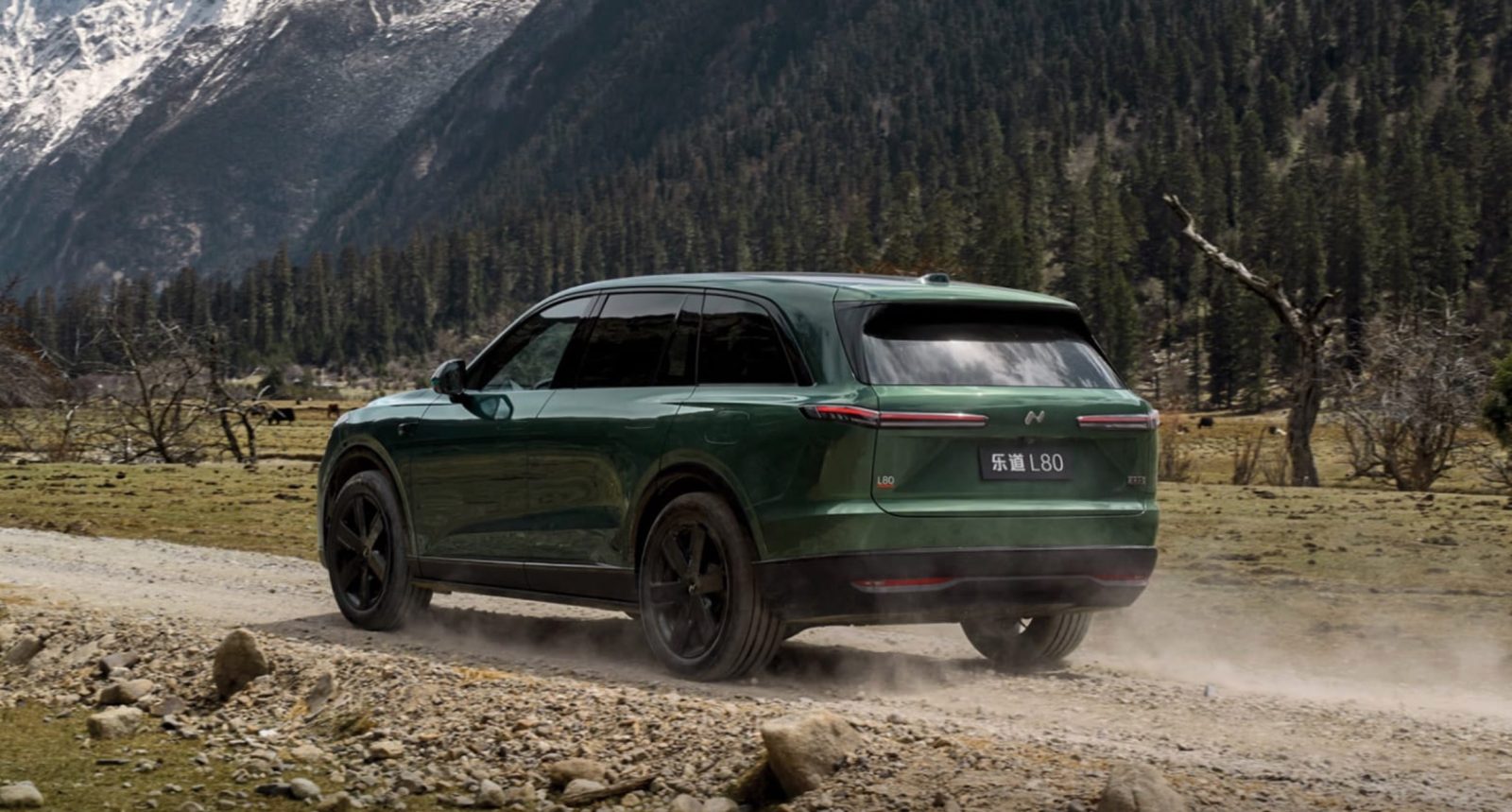
Nio's new budget sub-brand Onvo has just shaken up China's electric SUV market with the launch of the L80. Priced at 245,800 yuan (about $36,020), this five-seat electric SUV directly undercuts Tesla's Model Y by roughly 17,700 yuan ($2,400). Pre-orders start immediately, with first deliveries scheduled for May 15. This launch adds another fierce competitor to the most contested EV segment in the world's largest auto market. Below, we answer key questions about the Onvo L80, its positioning, and what it means for buyers.
What is Nio's Onvo sub-brand?
Onvo is a budget-focused sub-brand created by Chinese EV maker Nio to target more price-sensitive buyers. While Nio's main lineup emphasizes premium features, battery swapping, and higher price points, Onvo aims to offer competitive electric vehicles at lower cost without sacrificing core quality. The L80 is Onvo's first model, designed to challenge popular mid-range electric SUVs like the Tesla Model Y. By launching Onvo, Nio hopes to capture a larger share of China's rapidly growing EV market, especially among younger consumers and families looking for affordable yet modern electric transportation. The brand focuses on value, efficiency, and practical design, leveraging Nio's existing technology and manufacturing infrastructure to keep costs down.
What are the key specifications of the Onvo L80?
The Onvo L80 is a five-seat all-electric SUV with a starting price of 245,800 yuan (~$36,020). While full technical details are still emerging, it is positioned as a direct competitor to the Tesla Model Y in the highly contested mid-size electric SUV segment. The L80 is expected to offer a competitive driving range, modern interior features, and Nio's signature battery-swapping capability at a lower price point than its rivals. Deliveries begin on May 15, and pre-orders are open now. More detailed specs—including battery capacity, motor power, and range—are likely to be revealed closer to the delivery date, but initial marketing emphasizes its affordability and value proposition over the Model Y.
How does the L80's pricing compare to the Tesla Model Y in China?
In China, the Tesla Model Y starts at around 263,500 yuan (~$36,600) for the base rear-wheel-drive version. The Onvo L80 undercuts this by 17,700 yuan ($2,400), launching at 245,800 yuan (~$36,020). This pricing positions the L80 as a more affordable alternative in the same segment, potentially attracting budget-conscious buyers who still want a reputable electric SUV. The price difference may also allow Onvo to include additional standard features or offer better value in terms of range or technology. For Chinese consumers, this price gap could be a deciding factor, especially as competition intensifies in the EV market. Nio's strategy with Onvo is clear: capture sales from Tesla by offering a compelling package at a lower entry point.
When can customers order and receive the Onvo L80?
Pre-orders for the Onvo L80 opened immediately with the official launch announcement. Customers can reserve the vehicle through Onvo's online platform or authorized dealerships. First deliveries are scheduled to begin on May 15, meaning early adopters can expect to receive their cars within a few weeks of ordering. This rapid timeline suggests that Onvo has already ramped up production capacity. The exact delivery schedule may vary based on configuration and location, but the company aims to fulfill orders quickly to capitalize on the launch momentum. For those interested in the L80, now is the time to place a pre-order to ensure timely delivery and potentially secure early-bird incentives.

What market segment is the Onvo L80 targeting?
The Onvo L80 targets the mid-size five-seat electric SUV segment, which is the most contested category in China's EV market. This segment includes models like the Tesla Model Y, BYD Tang EV, and XPeng G6, among others. By pricing the L80 below the Model Y, Onvo aims to appeal to families and individuals who desire an electric SUV but are sensitive to price. The vehicle is designed for urban and suburban use, offering ample interior space, modern connectivity, and likely a driving range sufficient for daily commutes and weekend trips. Onvo's strategy is to combine Nio's brand reputation and technology with a more accessible price point, thereby expanding the total addressable market for Nio's ecosystem.
Why is the Onvo L80 launch significant for the EV market?
The launch of the Onvo L80 marks Nio's aggressive entry into the budget EV segment, intensifying competition with Tesla and other local brands. It demonstrates Nio's commitment to scaling beyond its premium roots and capturing volume sales. The L80's undercutting of the Model Y by nearly $2,400 could force Tesla to reconsider its pricing or add incentives in China, benefiting consumers. Moreover, the L80 leverages Nio's existing battery-swapping infrastructure, which may set it apart from rivals. This move also signals that even well-established EV makers see the need for dedicated budget brands to survive in a price-sensitive market. If successful, the L80 could reshape expectations for what a sub-$40,000 electric SUV can offer in terms of features and brand backing.
Will the Onvo L80 be available outside China?
As of the initial launch, Nio has not announced any plans to sell the Onvo L80 outside of China. The vehicle is specifically designed for the domestic market, where competition and price sensitivity are highest. However, given Nio's international ambitions (e.g., in Europe), it is possible that Onvo models could eventually expand to other regions, especially if the brand gains traction. For now, international customers will have to wait for official announcements. The L80's competitive pricing and features might make it attractive in other markets, but regulatory approvals, charging infrastructure, and distribution channels would need to be established first. Keep an eye on Nio's future strategic updates for potential global rollouts.
Related Discussions