Hosting a Successful Fossil Fuel Transition Summit: A Step-by-Step Guide Based on the Santa Marta Model
Introduction
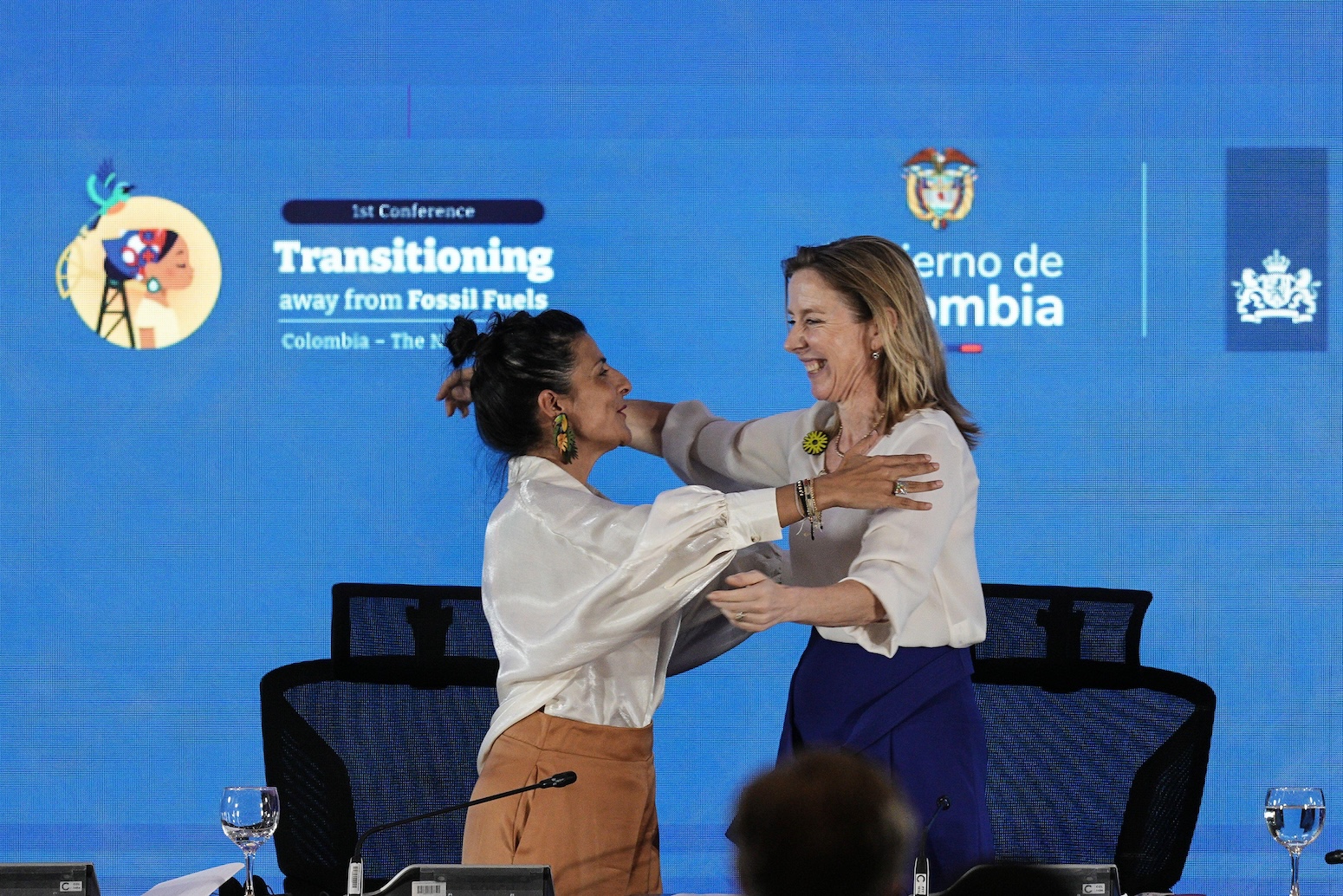
In April, Colombia and the Netherlands co-hosted a groundbreaking summit in Santa Marta, where 57 countries representing one-third of the global economy gathered to chart practical paths away from coal, oil, and gas. The event was hailed as "refreshing" and "highly successful" for its intimate, science-driven, and action-oriented format. If you’re planning a similar summit to accelerate the transition away from fossil fuels, this guide breaks down the key steps—from building leadership to securing tangible outcomes—drawing directly from the Santa Marta experience.
What You Need
- Two co-hosting countries from different regions (e.g., Global North and Global South) to share credibility and resources.
- Political will from participating nations, especially ministers and climate envoys.
- A venue that allows small, closed-door meeting rooms as well as larger plenary spaces.
- A scientific advisory panel (at least 400 academics) to provide pre-conference briefings and ongoing analysis.
- Funding for travel and accommodation for delegates from developing countries, Indigenous leaders, and civil society.
- A dedicated secretariat to coordinate logistics, invitations, and follow-up documentation.
- Communication tools for public outreach and media engagement.
Step-by-Step Guide
Step 1: Forge a Strong Co-Hosting Partnership
Start by identifying two countries with complementary strengths. In Santa Marta, Colombia (a fossil-fuel producing developing nation) and the Netherlands (a developed, low-lying country vulnerable to climate impacts) co-hosted. This pairing built trust and ensured diverse perspectives. Announce the partnership at a major climate event, like COP, to attract attention. The Santa Marta announcement came during tense COP30 negotiations in Belém. Your announcement should signal a new, practical forum distinct from formal UN talks.
Step 2: Integrate Science from the Start
Hold a “science pre-conference” one to two days before the main summit. Santa Marta’s pre-conference involved 400 global academics and launched a Science Panel for the Global Energy Transition. This panel provides agile, bespoke analysis to nations wanting to accelerate their transition. In your summit, invite scientists from multiple disciplines (energy, economics, social science) to present the latest data and answer policy questions. Ensure findings are presented in accessible briefs for delegates.
Step 3: Design Intimate, Closed-Door Discussions
Resist the temptation to host large plenaries only. Instead, create small meeting rooms where ministers and envoys can have off-the-record, frank conversations about barriers they face. Santa Marta delegates described this as “refreshing” because it allowed them to speak honestly about politics, subsidies, and trade challenges. Schedule multiple parallel sessions so that all 50+ countries can interact deeply. Use facilitators to steer dialogue toward concrete solutions, not just statements.
Step 4: Include Diverse Voices and Stakeholders
Dedicate a full day for subnational governments, parliamentarians, Indigenous peoples, youth, and civil society. Santa Marta featured Indigenous participation that influenced final outcomes. Invite these groups to speak in high-level segments and to submit written recommendations. Their lived experiences add credibility and urgency. Also ensure representation from fossil-fuel dependent communities, so the transition is seen as just and inclusive.
Step 5: Guide National Roadmap Development
The summit’s main outcome was an agreement for every participating country to develop a national roadmap for transitioning away from fossil fuels. Provide a template or framework for these roadmaps: include timelines, investment needs, social safety nets, and phase‑out milestones. In Santa Marta, Colombia itself produced a national roadmap as a demonstration. Encourage countries to share drafts during the summit for peer feedback. Follow up with bilateral support.
Step 6: Address Harmful Subsidies and Trade Barriers
Devote a session to fossil fuel subsidies and carbon-intensive trade. Many nations face domestic political pressure to maintain subsidies. Share best practices on reform – such as redirecting savings to clean energy or social programmes. Also discuss border carbon adjustments and green trade agreements. Santa Marta produced “new tools” for this area, so commission expert papers beforehand. Publish a joint statement on subsidy phase‑out targets.
Step 7: Secure Commitments for the Next Summit
At the closing of your summit, announce the dates and co-hosts for the next edition. Santa Marta ended with Tuvalu and Ireland agreeing to co-host the second summit in 2027 in the Pacific. This creates momentum and a sense of continuity. Encourage a rotating roster of regionally diverse hosts. Also establish a permanent secretariat to track progress on roadmaps and science panel recommendations.
Step 8: Capture and Communicate Outcomes
Immediately after the summit, produce a concise action insights report summarising key discussions, new tools, and individual country pledges. Santa Marta’s report was well-received for its clarity. Share it with all participants, the media, and at the next COP. Use the report to hold nations accountable and to inform broader global climate negotiations. Also update the COP presidency, which may incorporate summit findings into its own “informal roadmap” process.
Tips for Success
- Keep it small and focused. Santa Marta limited participation to 57 countries to maintain intimacy. Avoid turning the summit into another large COP-like event.
- Embrace conflict. Use closed-door sessions to air disagreements about subsidies and pace of transition. Santa Marta’s “frank conversations” were key to breakthroughs.
- Build in flexibility. Let the agenda evolve based on what delegates want to discuss. Science panels can adjust presentations in real time.
- Plan for equity. Fund participation of least-developed countries and Indigenous groups so their voices are heard, not just tokenised.
- Link to COP outcomes. Even if formal COP texts don’t mention a “roadmap”, your summit can feed into informal processes. Santa Marta’s discussions directly influenced the Brazilian COP presidency’s work.
- Celebrate wins. Publicly thank co-hosts and key participants. Announce next host to sustain energy and media interest.
By following these steps, you can replicate the Santa Marta model—a summit that moves beyond rhetoric to produce practical, nationally owned transition plans. The key is combining science, political will, and an intimate setting that encourages honesty. The world needs many more such forums to turn the Paris Agreement’s ambition into real-world action.
Related Discussions