Motorola Razr Fold vs Samsung Galaxy Z Fold 7: 7 Reasons the Razr Steals the Show
Foldable phones have evolved from niche experiments to serious contenders in the flagship arena. The Samsung Galaxy Z Fold 7 has long been the benchmark, offering polished software and top-tier specs. But Motorola's latest Razr Fold steps in as a compelling alternative, carving out a middle ground that many users find more balanced. After spending time with both devices, the choice becomes surprisingly clear. Here are seven detailed reasons why the Motorola Razr Fold outshines the Galaxy Z Fold 7—and why you might want to reconsider your next upgrade.
1. A More Practical Cover Display
The Motorola Razr Fold features a larger, more usable cover screen that lets you handle most tasks without unfolding the device. You can reply to messages, check notifications, and even run select apps directly on the outer display, bridging the gap between a phone and a mini tablet. In contrast, the Galaxy Z Fold 7's cover screen, while improved, still feels cramped for typing or browsing. Motorola's approach reduces the need to constantly open the phone, saving time and improving one-handed use. This design choice makes the Razr Fold a more versatile daily driver for those who value quick interactions.
2. Lighter and More Pocketable Build
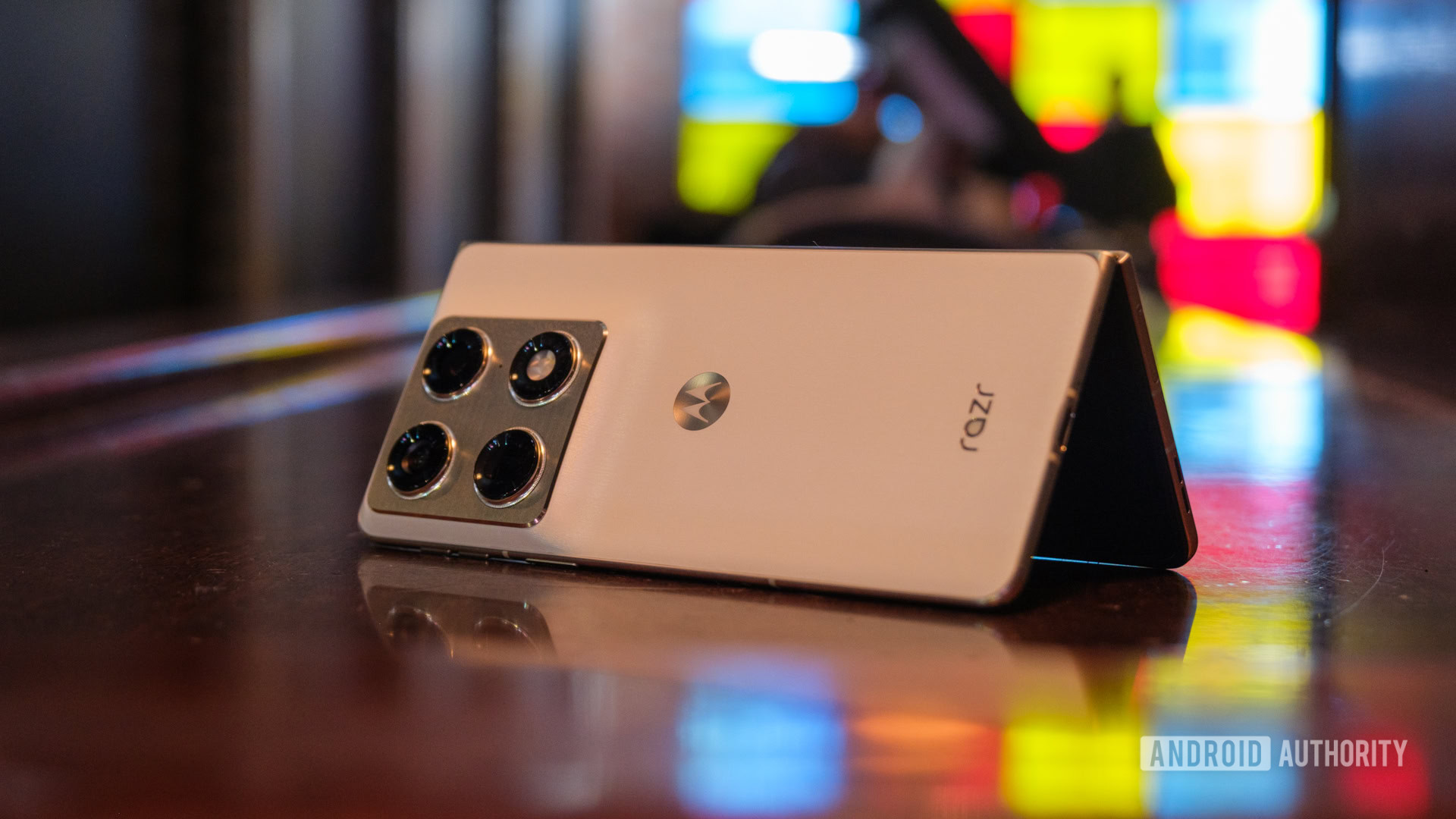
One of the biggest complaints about large foldables is their weight and bulk. The Motorola Razr Fold tips the scales at significantly less than the Galaxy Z Fold 7, making it far easier to slip into a pocket or use with one hand. Motorola achieved this by using a refined hinge mechanism and lighter materials, without sacrificing durability. The phone feels less like a brick and more like a regular smartphone when folded. If you’ve ever found the Galaxy Fold line too heavy for extended use, the Razr Fold offers a welcome reprieve. Its compact folded form factor also means it fits better in smaller bags and jeans pockets.
3. Superior Camera Versatility
While Samsung focuses on a multi-lens setup, the Motorola Razr Fold delivers a versatile camera system that punches above its weight. The primary sensor captures vibrant, detailed photos in various lighting conditions, and the ultra-wide lens adds creative flexibility. More importantly, the large cover display serves as a viewfinder for taking selfies with the main camera—delivering much better quality than any internal camera. The Galaxy Z Fold 7’s under-display selfie camera remains a weak point, often producing soft images. For photography enthusiasts who want both quality and convenience, the Razr Fold’s camera workflow is more intuitive and produces superior results.
4. More Refined Software Experience
Motorola’s software approach on the Razr Fold is clean, close to stock Android, and optimized for foldable usage. The device handles app continuity seamlessly, and the multitasking interface feels intuitive without overwhelming users with options. Samsung’s One UI, while feature-rich, can feel cluttered with duplicative apps and settings. Motorola also promises timely updates and a lighter skin that reduces bloatware. For power users who prefer simplicity and speed, the Razr Fold’s software is a breath of fresh air. The split-screen and flex mode implementations are just as capable, but they require less learning curve.
5. Better Durability and Hinge Design
Durability is a major concern for foldables, and Motorola has made notable strides. The Razr Fold uses a new hinge mechanism that reduces dust ingress and offers a more satisfying closure. It also features a water-resistant design (IPX8) that matches Samsung’s latest offering. However, Motorola’s hinge feels tighter and less prone to wobble when partially open, making it better for propping the phone on a table for video calls. The inner screen also shows fewer visible crease lines over time, according to early tests. If longevity and build quality are priorities, the Razr Fold edges ahead with a design that feels built to last.
6. More Competitive Pricing
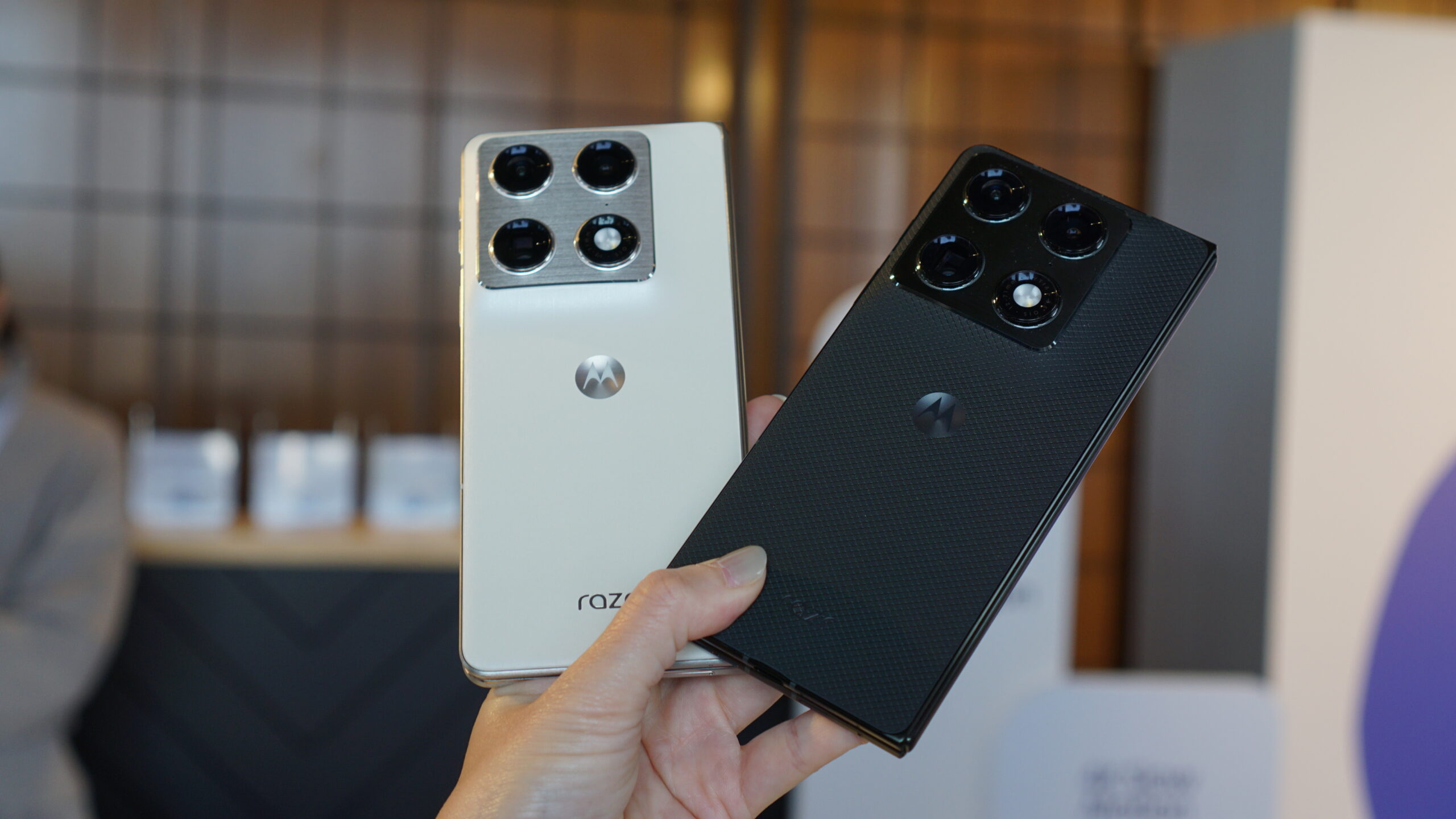
Motorola has positioned the Razr Fold at a price point significantly lower than the Galaxy Z Fold 7, offering better value for money. For the same cost as Samsung’s base model, you often get more storage or additional accessories with the Razr Fold. This price advantage makes foldable technology accessible to a wider audience, without sacrificing premium features like high-refresh-rate screens or flagship processors. Samsung’s foldables have historically commanded a premium, but the Razr Fold proves that you don’t have to pay top dollar for a top-tier foldable experience. If budget is a key factor, the choice becomes even clearer.
7. More Balanced Overall Experience
Ultimately, the Motorola Razr Fold delivers a balanced blend of portability, performance, and practicality that the Galaxy Z Fold 7 struggles to match. It’s not just about specs—it’s about how the phone fits into your daily life. The Razr Fold’s lighter weight, better cameras, and cleaner software create a cohesive experience that feels less like a compromise and more like a natural evolution. Samsung still leads in some areas like raw processing power and display brightness, but for most users, the Razr Fold offers a more satisfying all-round package. As the foldable market matures, Motorola has proven that sometimes the middle ground is the sweet spot.
In the end, both phones are impressive pieces of technology, but the Motorola Razr Fold strikes a better balance for anyone tired of carrying a brick-like device or navigating bloated software. If you value practicality, camera versatility, and a lighter footprint, the Razr Fold is the clear winner. Samsung’s Galaxy Z Fold 7 remains a solid choice for those who need the absolute best in raw power, but for everyday use, the Razr Fold delivers a more pleasant and affordable experience. The choice, as they say, is clear.
Related Discussions