How Simple Abdominal Movements Trigger Your Brain's Natural Cleaning System: A Step-by-Step Guide
Overview
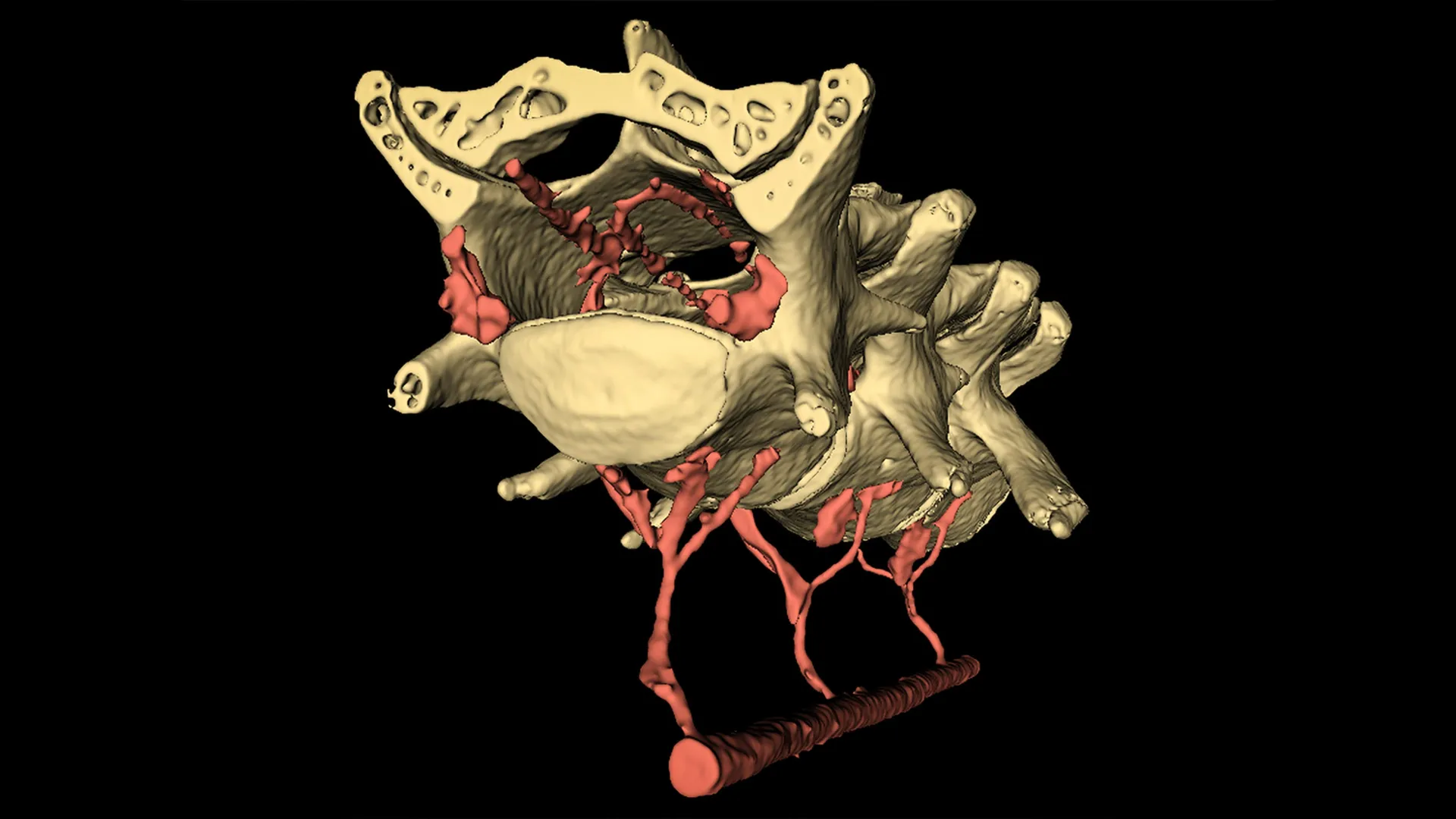
Recent research has unveiled a remarkable connection between everyday body movements and brain health. Scientists discovered that even a slight tightening of your abdominal muscles can cause your brain to gently sway inside your skull. This subtle motion, driven by pressure changes in interconnected blood vessels, plays a key role in circulating cerebrospinal fluid (CSF) around the brain. This circulation acts as a natural cleaning system, flushing out harmful metabolic waste products like amyloid-beta, which are linked to neurodegenerative diseases. This guide breaks down the mechanism into clear, actionable steps and explains how you can harness this effect through simple activities.
Prerequisites
Before diving into the step-by-step process, it helps to understand a few basic concepts:
- Cerebrospinal Fluid (CSF): A clear, colorless fluid that surrounds the brain and spinal cord, providing cushioning, nutrient transport, and waste removal.
- Glymphatic System: The brain's waste clearance pathway, which relies on CSF flow to remove toxins.
- Abdominal Muscles: The muscles that form the front and side walls of the abdomen, including the rectus abdominis and obliques. They are connected to the diaphragm and affect thoracic and abdominal pressure.
- Blood Vessel Network: The arteries and veins that carry blood to and from the brain. Changes in pressure within these vessels can influence brain movement.
Step-by-Step Instructions
Step 1: Understand the Mechanism – From Muscle to Brain Sway
The process begins with a simple action: contracting your abdominal muscles. This contraction increases pressure inside the abdominal cavity. Because the abdomen and chest are separated only by the diaphragm, this pressure change is transmitted upward into the thoracic cavity and then to the neck and skull via the network of blood vessels. Specifically, the jugular veins and carotid arteries experience pressure fluctuations.
These pressure changes cause the brain to pulsate or sway slightly inside the skull—a motion that has been measured in imaging studies. The brain is not rigidly fixed; it floats in CSF and is supported by membranes. Small movements (on the order of millimeters) are normal and beneficial.
Step 2: Observe How Sway Enhances CSF Circulation
As the brain sways, it acts like a gentle pump. The movement pushes CSF through the ventricles (cavities inside the brain) and around the outer surfaces, following the pathways of the glymphatic system. This stirring motion helps mix fresh CSF with older fluid, promoting the removal of waste products such as amyloid-beta and tau proteins. Studies using real-time MRI have shown that even mild abdominal tension can increase CSF flow velocity by up to 30%.
Practical analogy: Imagine a jar of muddy water. If you gently shake the jar, the sediment stays suspended and eventually settles. If you tilt and rotate the jar slightly, the water moves, carrying sediment away. Your brain's sway is that gentle rotation.
Step 3: Perform a Simple Movement to Activate the Effect
You don't need intense exercise. Here's a basic, repeatable motion:
- Get comfortable: Sit or lie down in a relaxed position.
- Breathe normally: Do not hold your breath.
- Gently tighten your abdominal muscles: Pull your navel slightly inward toward your spine, as if bracing for a light punch. Hold the contraction for 2–3 seconds.
- Release slowly and repeat 5–10 times.
This mimics the natural pressure pulse that occurs during activities like coughing, sneezing, or even standing up from a chair. The key is the change in pressure, not the strength of the contraction.
Step 4: Integrate This Into Daily Activities
You can trigger the brain-cleaning effect without thinking about it by incorporating small movements throughout your day:
- Walking: Each foot strike causes a small abdominal jolt, similar to a muscle contraction.
- Lifting objects: Even picking up a grocery bag engages your core.
- Yoga and Pilates: Positions like plank or boat pose create sustained abdominal tension.
- Laughing or coughing: These natural reflexes produce sharp abdominal pressure changes.
For a more intentional practice, try “core micro-bracing” during seated work: every 30 minutes, take 5 deep breaths while gently tightening your abs on the exhale. This keeps the CSF circulation active.
Step 5: Monitor Your Body’s Response
While you cannot feel your brain sway, you may notice indirect benefits over time: improved mental clarity, reduced brain fog, or better focus after movements that engage your core. Some people report a subtle “pulsing” sensation in their head, which is the result of the pressure wave reaching the skull. If you experience sharp pain or dizziness, stop and consult a healthcare professional.
Common Mistakes
Mistake 1: Over-Contracting the Abs
Crushing your abs with maximum force is unnecessary and can increase blood pressure excessively, potentially hindering CSF flow. Use only about 20–30% of your maximum contraction.
Mistake 2: Holding Your Breath
Holding the breath raises intrathoracic pressure in a static way, which does not create the beneficial dynamic pressure wave. Breathe normally to maintain rhythmic pressure fluctuations.
Mistake 3: Expecting Immediate Results
The cleaning effect is subtle and cumulative. Do not expect to feel your brain “cleaning” right away. Trust the science and stay consistent.
Mistake 4: Confusing This With Intense Exercise
While exercise has many brain benefits, the specific sway mechanism works best with gentle, brief abdominal actions. Heavy lifting or high-impact exercise may overshadow this subtle effect without adding extra benefit.
Mistake 5: Ignoring Underlying Health Conditions
If you have a history of brain aneurysms, hydrocephalus, or recent head surgery, consult your doctor before intentionally engaging in abdominal contractions that affect intracranial pressure.
Summary
A groundbreaking discovery reveals that even slight abdominal muscle contractions generate pressure changes that cause the brain to sway, enhancing cerebrospinal fluid circulation and waste removal. This natural cleaning system is activated by everyday movements like walking, laughing, or gentle core tightening. By understanding the mechanism and incorporating simple micro-movements into your routine, you can support long-term brain health without special equipment or intense effort. Consistency and proper technique—avoiding over-contraction and breath-holding—are key to harnessing this effect safely and effectively.
Related Discussions