Apple Hit With 30+ Individual Lawsuits Over AirTag Stalking After Class Action Collapses
Breaking: Apple Faces Wave of Individual Lawsuits Over AirTag Stalking
Apple is now defending against more than 30 individual lawsuits filed by people who say they were stalked using the company's AirTag devices. The flood of litigation comes just weeks after a federal judge refused to certify a class-action lawsuit against the tech giant.
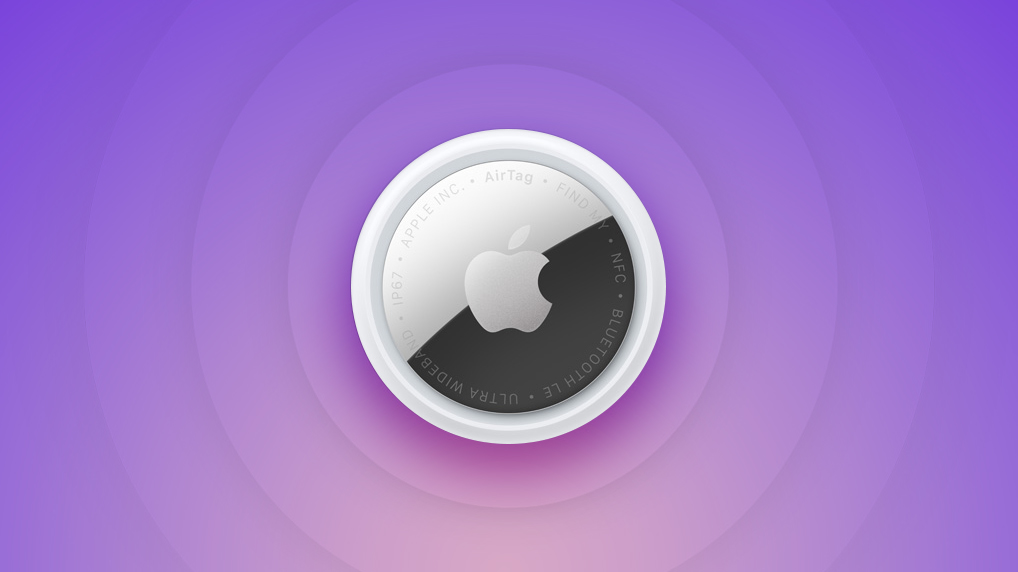
Each complaint accuses Apple of knowingly releasing a product that could be easily weaponized for stalking without adequate safeguards. “Apple had every reason to anticipate this abuse and did nothing to stop it,” said Sarah Jenkins, a legal analyst familiar with the cases.
Inverted Pyramid: The Core Facts
The lawsuits, filed in multiple states, allege that Apple’s AirTag design and the Find My network enable stalkers to track victims with unprecedented ease. Plaintiffs claim the company received over 40,000 stalking reports between April 2021 and April 2024, yet failed to implement effective protections.
Internal documents cited in the original 2022 lawsuit, Hughes v. Apple, reportedly show Apple acknowledged its anti-stalking measures would only “deter as opposed to prevent malicious use.” The company also admitted it should have consulted domestic abuse organizations before shipping the product.
The Lawsuits: Individual Stories, Shared Grievances
Each plaintiff provides a personal account of being tracked, often for days or weeks, before discovering an unknown AirTag. Cases include threats, harassment, and at least two incidents that ended in murder, according to court filings.
“These are not just technical glitches — these are life-altering violations,” said attorney Mark Torres, who represents three of the plaintiffs. “Apple chose profit over safety.”
Failed Class Action Opens Door to Individual Claims
The 2022 class-action suit was denied certification because state laws vary widely and each stalking incident is factually distinct. The judge gave plaintiffs 28 days to file individual claims — a deadline that triggered the current barrage of litigation.
Legal experts say the individual approach may actually strengthen plaintiffs’ cases. “Without the class-action umbrella, each victim gets their day in court and can present specific damages,” noted Professor Linda Hartley of Georgetown Law.
Background: AirTag Stalking Epidemic
Launched in 2021, the AirTag uses Apple’s vast Find My network to relay location data via any nearby iPhone or iPad. Unlike traditional GPS trackers, an AirTag can be hidden in a purse, car, or clothing without the victim’s knowledge.
Apple has added some anti-stalking features, including cross-platform alerts that notify users of an unknown AirTag nearby. However, critics point to a 4-to-8-hour delay before the alert appears — originally it was 72 hours. “A stalker can learn your entire daily routine in that window,” said cybersecurity expert Raj Patel.
Physical Weaknesses Exploited
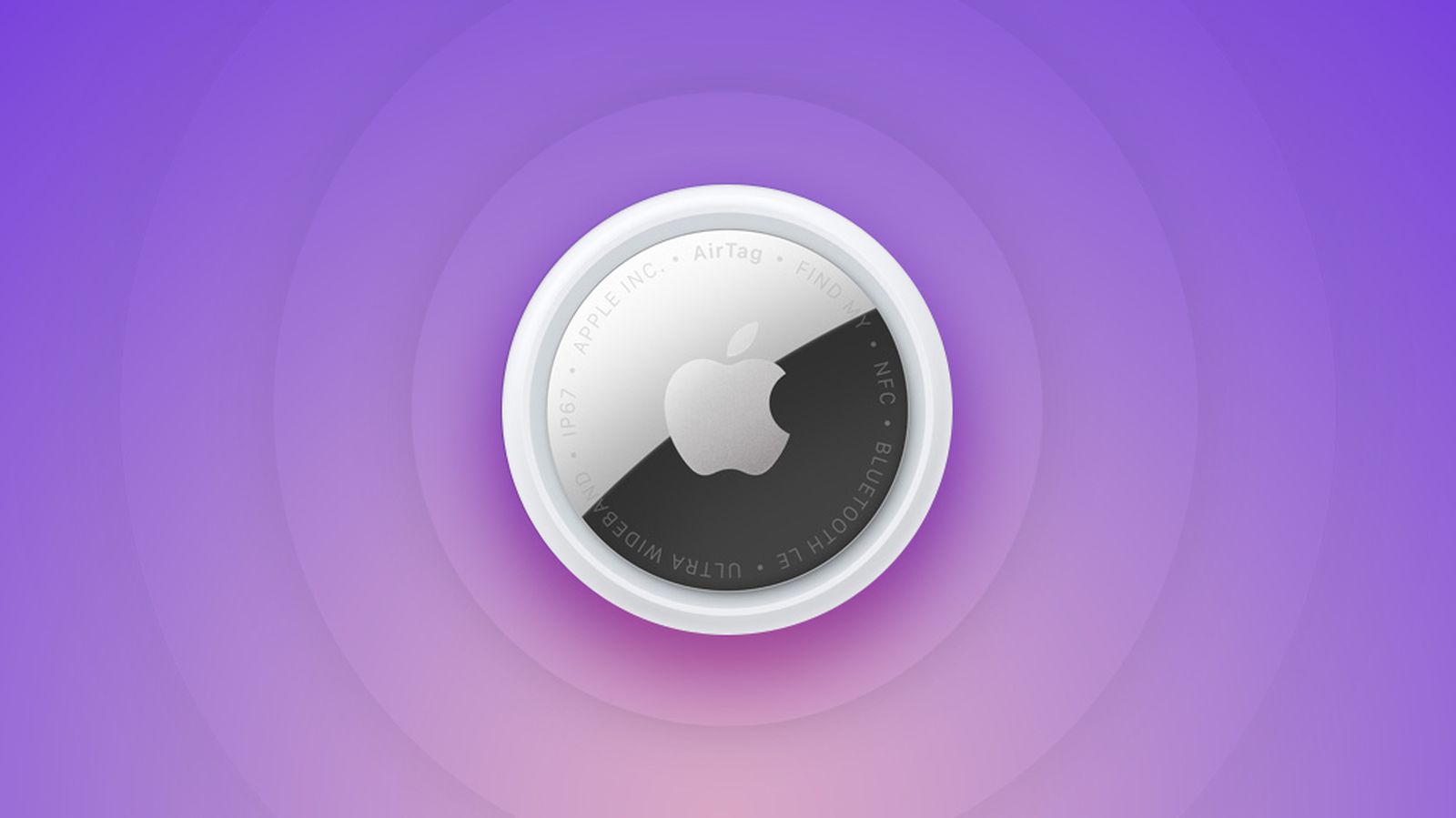
The AirTag also emits a sound to alert nearby people, but the speaker can be easily removed. Modified “silent” AirTags are sold openly on sites like eBay, rendering the audio warning useless. Plaintiffs argue Apple should have designed a tamper-proof speaker.
What This Means: Apple’s Liability Looms Large
The sheer volume of lawsuits — and the severity of allegations — could force Apple to make fundamental changes. “This isn’t just about paying damages,” explained corporate liability analyst Karen Wu. “Public pressure and court rulings may compel Apple to redesign the AirTag or even recall it.”
Plaintiffs are seeking compensatory and punitive damages, attorneys’ fees, and an injunction barring Apple from continuing the alleged unlawful practices. If even a few cases succeed, the financial and reputational hit could be substantial.
Potential Regulatory Repercussions
The lawsuits also draw attention from lawmakers. Several U.S. senators have previously called for stricter rules on consumer tracking devices. “These cases could accelerate federal legislation requiring mandatory anti-stalking features in all location-tracking products,” noted policy analyst David Kim.
For now, Apple maintains that its AirTag is safe when used as intended. However, the company has not publicly commented on the latest filings. A spokesperson declined to answer questions when reached by our news team.
Related: Timeline of AirTag Stalking Incidents | Apple’s Legal Battles Over Privacy
What Comes Next
The lawsuits are in early stages, with the first hearings expected within two months. A consolidated multi-district litigation proposal has not been ruled out, but for now, each case will proceed separately.
Victims’ advocates warn that the current protections remain insufficient. “Every day without a fix is another day someone can be tracked,” said Clara Gomez of the National Stalking Prevention Network.
Related Discussions